
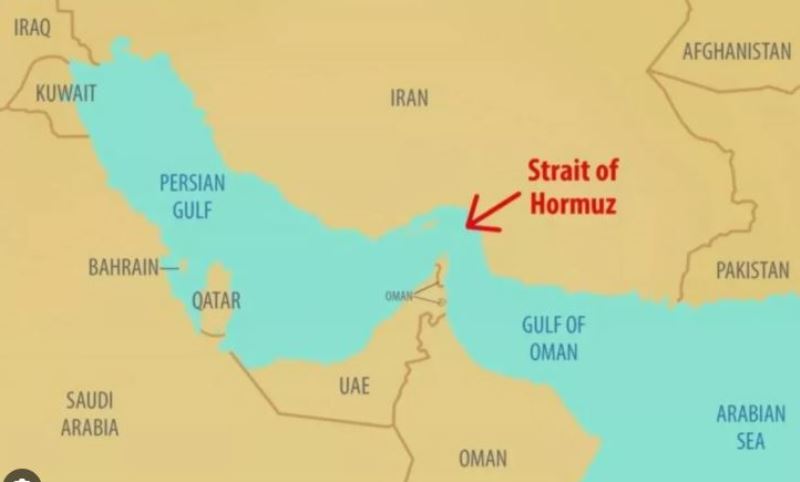
Global ship operators are calling for clear and coordinated navigation guidelines to restore normal shipping operations through the Strait of Hormuz, as heightened geopolitical tensions and security concerns continue to disrupt one of the world’s most critical maritime trade routes.
The appeal comes as shipping companies face increased operational challenges, including higher insurance premiums, rerouting costs, enhanced security measures, and uncertainty over vessel movements in the Gulf region. Industry stakeholders say the absence of predictable operating conditions is affecting trade flows and adding pressure to global supply chains.
The Strait of Hormuz serves as a vital gateway for international energy and commodity trade, handling a significant share of global crude oil, liquefied natural gas (LNG), and containerized cargo shipments. Any disruption in the waterway has far-reaching implications for freight markets, energy prices, and global commerce.
Shipowners and maritime organizations have urged regional authorities and international stakeholders to establish transparent and consistent procedures for vessel transits, communication protocols, and security arrangements. They argue that clear operational rules would help reduce uncertainty and allow shipping companies to plan voyages more effectively.
The recent security challenges in the region have prompted many operators to reassess voyage routes, deploy additional risk-management measures, and closely monitor developments before entering high-risk areas. War-risk insurance costs have also risen, increasing transportation expenses for cargo owners and importers.
Industry experts note that restoring confidence among ship operators is essential for maintaining the uninterrupted flow of goods through the Gulf. Stable operating conditions would help normalize freight rates, improve vessel scheduling, and reduce delays affecting global supply chains.
Exporters, importers, and energy companies are closely watching developments in the region, as prolonged disruptions could impact delivery schedules and increase logistics costs. Businesses dependent on Gulf trade routes have already begun exploring contingency plans to mitigate potential risks.
Maritime stakeholders emphasize that ensuring the safe and predictable movement of commercial vessels through the Strait of Hormuz remains critical for global trade. They believe that clearer navigation frameworks and enhanced coordination among regional and international authorities will be key to restoring normal shipping activity and safeguarding the smooth flow of commerce through the strategic waterway.