
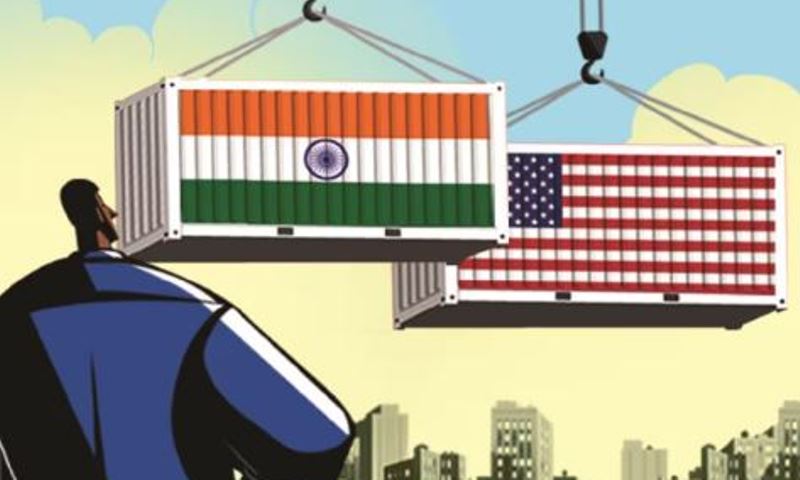
Tariff reductions on Indian exports to the US have failed to revive demand, with exporters continuing to face weak orders due to policy uncertainty and ongoing trade tensions, according to industry executives.
Despite expectations that lower duties would boost shipments, American consumer sentiment remains subdued amid geopolitical instability, limiting the recovery in Indian exports.
Key labour-intensive sectors such as shrimp and textiles, which are heavily dependent on the US market, continue to struggle with sluggish demand and delayed order cycles.
A major factor weighing on recovery is the pending Section 301 investigation by the US into India, which has created uncertainty for importers and discouraged fresh buying commitments. Exporters say the lack of clarity on future trade policy has made US buyers cautious.
Industry players note that while tariff cuts were expected to restore competitiveness against rivals like Vietnam and Bangladesh, the benefits have not materialised due to the broader policy overhang and weak market sentiment.
As a result, India’s export rebound to its largest market remains delayed, with stakeholders calling for faster resolution of trade disputes and greater policy clarity to restore demand momentum.