
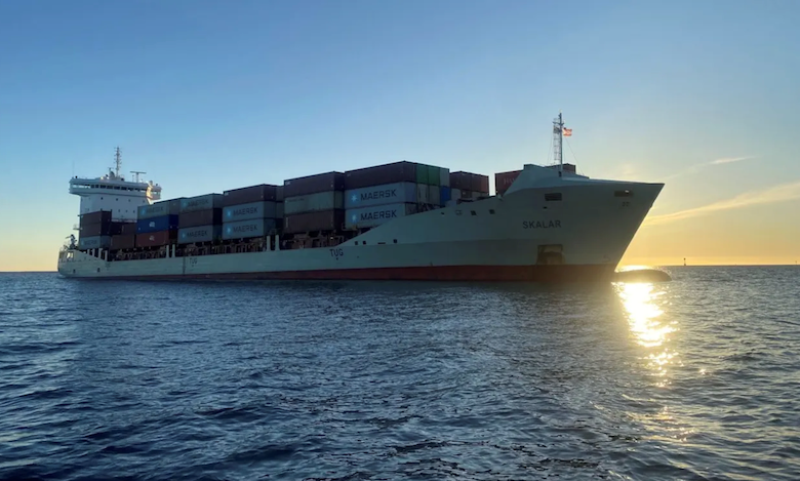
Beginning from July 1, 2025, Finland has banned cargo vessels from discharging toilet wastewater, scrubber sludge and sulphuric wash water into the nation’s coastal waters.
This move has made Finland the first such country to impose such maritime wastewater regulations.
The law was approved by the Finnish Parliament in December 2024.
Passenger vessels were subjected to such restrictions for many years, but this marks the first time that cargo ships have also been included.
The legislation takes into account the water discharges which contribute to marine pollution directly. Toilet wastewater has high intestinal bacteria, solids and nutrients, which promote eutrophication.
It is a process which depletes oxygen in marine environments and leads to the growth of harmful algae.
Despite the prohibition, the law includes transition periods. Greywater from showers and sinks may still be discharged in Finniah waters for 5 more years.
All kinds of wastewater can be legally discharged outside the territorial waters of Finland.
Per the environmental authorities, the new rule is a vital step in protecting the Baltic Sea, which is suffering from chronic nutrient pollution, while Eutrophication is one of the region’s most severe ecological threats.