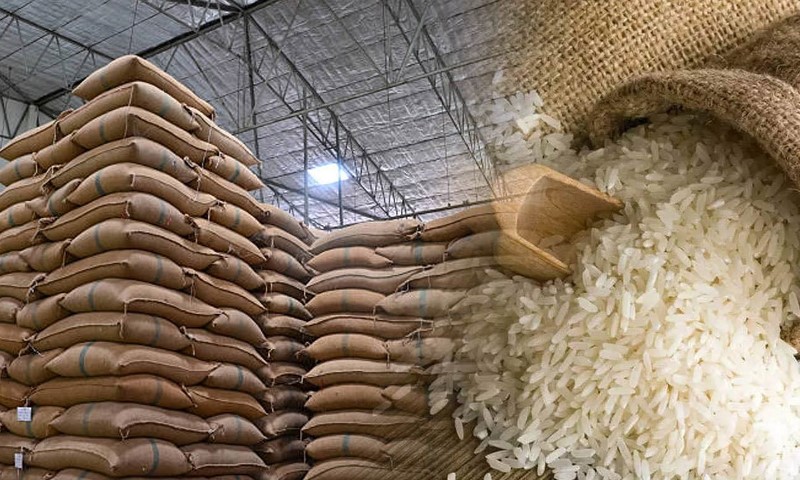
India’s rice sector is entering a new phase of strength, with both production and exports projected to touch record highs, supported by favourable weather, policy reforms, and robust global demand.
According to industry estimates, India is set to harvest 145 million tonnes (mnt) of rice in marketing year (MY) 2024-25, its ninth consecutive bumper crop. The harvest includes 120 mnt from the kharif season, 15.5 mnt from rabi, and 9.5 mnt from summer crops. A well-distributed monsoon, higher minimum support prices (MSP), and stable cultivation areas have supported this growth. No major crop damage has been reported this season, unlike in previous years.
The country’s basmati rice segment is also on an upswing. Production is forecast to rise to 13 mnt in MY 2025-26 from 12 mnt in MY 2024-25, as more farmers shift to the premium crop amid surging demand from the Middle East, Europe, and the US. Regulatory checks aimed at ensuring quality have further enhanced basmati’s standing in global markets.
On the policy front, the government has eased trade curbs by removing export floor prices, taxes, and certain shipment bans. These steps have improved India’s competitiveness in global markets and provided stability to traders.
As a result, rice exports are projected to hit a record 24 mnt in MY 2025-26, comprising 15 mnt of non-basmati rice, 6 mnt of basmati rice, and 3 mnt of broken rice.
Analysts note that India’s ability to supply both premium basmati and affordable coarse rice has cemented its position as the world’s largest rice exporter. With steady yields, favourable policies, and growing demand, the sector is expected to remain a cornerstone of India’s agricultural and trade performance.
