
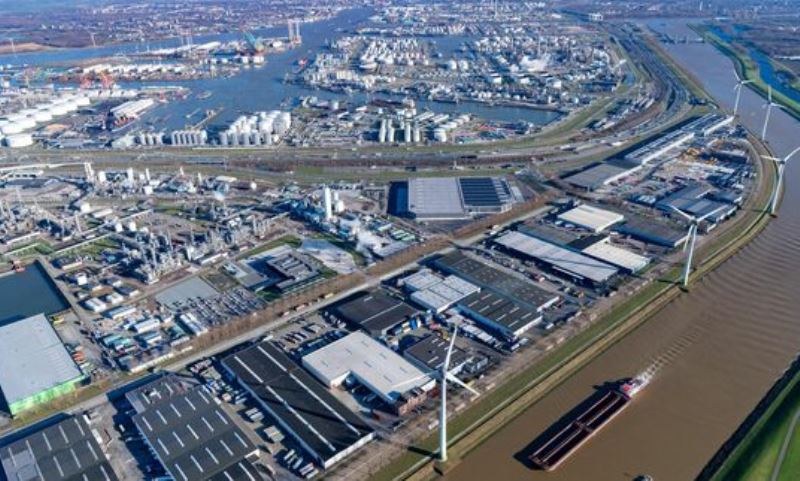
The Port of Rotterdam has launched a market consultation to accelerate the import of hydrogen and hydrogen carriers such as ammonia, methanol, and liquid organic hydrogen carriers (LOHCs), the company said in a news release.
Although several companies are preparing plans, most investment decisions remain on hold, which slows down the energy transition. Hydrogen and its carriers are considered alternatives to fossil fuels such as oil and natural gas. Based on the consultation results, the Port Authority will assess its potential role in advancing the development of hydrogen import terminals.
In the energy transition, delays often arise from “chicken-and-egg” dynamics: offtakers want price certainty and availability, while producers seek demand guarantees and transport capacity before investing. This uncertainty complicates financing, alongside challenges like electricity grid congestion and nitrogen deposit issues.
Through the consultation, the Port Authority aims to identify specific financial and non-financial bottlenecks hindering the development of hydrogen import terminals. The consultation period runs until January 16, 2026, after which the Port Authority will decide whether and how to help remove barriers to realizing hydrogen import infrastructure.
Port of Rotterdam Authority is a public company owned by the Municipality of Rotterdam and the Dutch State. It manages, develops, and operates the Port of Rotterdam, Europe’s largest seaport by throughput. The Authority is responsible for port infrastructure, leases, and safety regulations and plays a central role in facilitating industrial and energy transition projects within the port area.