
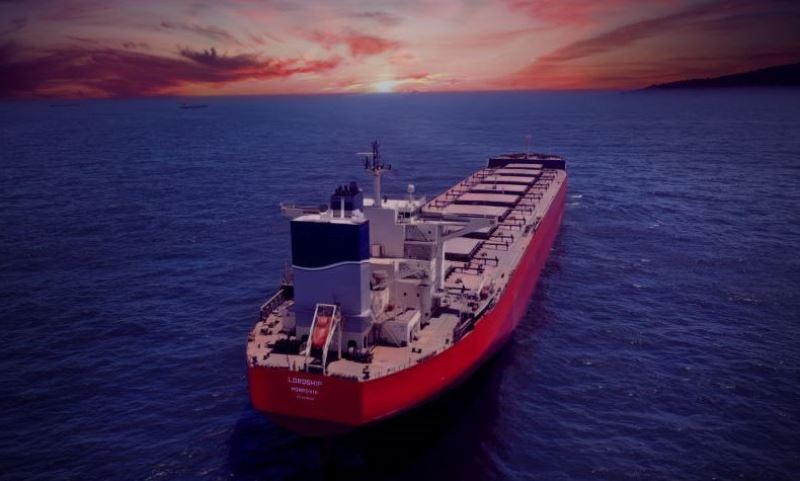
Global contracting for new dry bulk carriers has slumped to its lowest level since 2020, with just 25 million DWT ordered between January and November 2025 — a steep 54% year-on-year decline, according to BIMCO. The downturn has pushed the dry bulk orderbook 4% below last year’s level, now representing 11% of the existing fleet.
“The cooling in new orders reflects a cloudy market outlook,” said Filipe Gouveia, Shipping Analysis Manager at BIMCO.
The number of ships ordered has fallen even more sharply, down 61% y/y to just 281 vessels — the fewest since 2016. While contracting has declined across all segments, capesize orders have been comparatively more resilient. The segment also holds the strongest freight outlook for the next two years, supported by longer sailing distances, stable tonne-mile demand, and limited fleet growth. Notably, 77% of capesize orders placed this year are scheduled for delivery post-2027.
In contrast, supramax and panamax contracting has collapsed by 76% and 55% respectively. Both segments have relatively large orderbooks pointing to rising deliveries in 2026–27, while weakening demand forecasts and a potential reopening of Red Sea routes add further downside pressure. “These dynamics could weigh on freight rates, discouraging new orders,” Gouveia added.
Chinese shipyards have tightened their dominance, securing 81% of total contracted capacity — up nine percentage points from 2024 — largely at Japan’s expense. Despite previous U.S. trade announcements regarding port fees on Chinese-built ships, China’s strong position remains intact, helped by exemptions and the fact that U.S.-related shipments account for just 8% of global dry bulk trade.
One factor offering mild support to contracting is pricing. Newbuilding prices have dipped 3% since the start of 2025, while five-year-old second-hand vessel values have risen 4%. A five-year-old bulker now sells for roughly 93% of a newbuild price, reflecting strengthening freight markets in the second half of the year. Still, extended delivery timelines continue to limit appetite for new orders.
In terms of decarbonisation trends, 2025 has seen a drop in the share of alternative-fuel-ready vessels on order, even as more ships are designed to allow future retrofitting. Currently, 12% of the orderbook is capable of running on alternative fuels at delivery — 48% on methanol, 37% on LNG, and the remainder on ammonia — highlighting persistent uncertainty over fuel availability.