
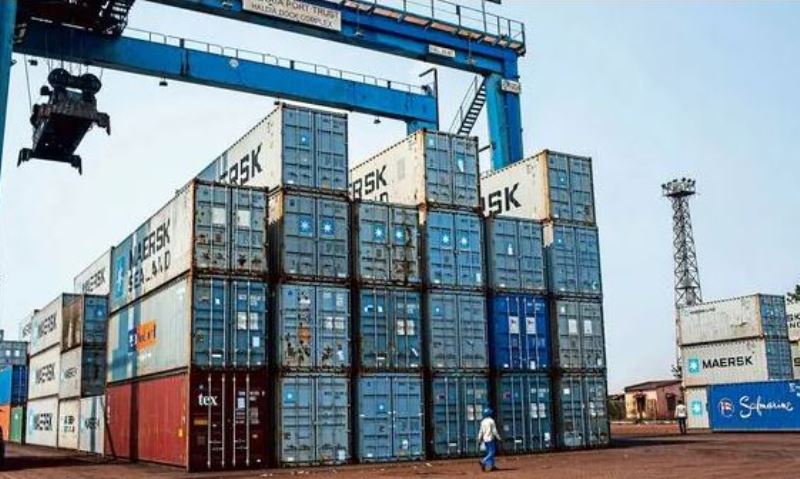
Indian exporters are treading carefully after the United States announced a temporary 10% tariff on a wide range of Indian goods for a period of 150 days starting February 24, triggering fresh concerns across key export-oriented sectors.
Industry representatives said the move has introduced significant pricing and contractual uncertainties, particularly for shipments already in the pipeline. Exporters in textiles, engineering goods, gems and jewellery, leather, auto components, and marine products are among those assessing the immediate impact.
Many exporters are renegotiating terms with American buyers to determine how the additional duty burden will be shared. In several cases, dispatches scheduled for late February and early March are being reviewed to avoid unexpected cost escalations once the tariff comes into effect.
“Margins are already tight in competitive categories. A sudden 10% duty can significantly alter landed costs in the US market,” an exporter from the engineering sector said. “Until there is clarity on whether this is a temporary measure or could extend further, businesses will remain cautious.”
Freight forwarders have reported a spike in last-minute shipment attempts ahead of the February 24 implementation date, followed by a noticeable pause in fresh bookings. Some exporters are also exploring alternative markets in Europe, West Asia, and Africa to reduce short-term dependence on the US.
Trade analysts believe the 150-day window provides room for diplomatic engagement and possible negotiations. However, prolonged uncertainty could disrupt order cycles and affect export momentum in the current quarter.
The government is closely monitoring developments and is expected to engage with US counterparts to seek clarity and minimise disruption to bilateral trade flows. Exporters, meanwhile, are focusing on cost optimisation and market diversification strategies to navigate the evolving trade environment.