
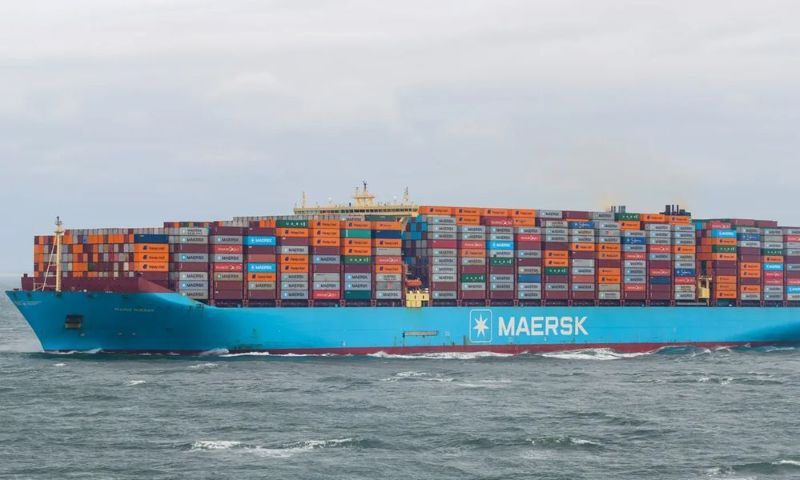
Maersk has introduced a new heavy load surcharge on shipments moving between Asia and Latin America, citing operational and safety considerations linked to overweight containers.
The Danish carrier said the additional fee will apply to cargo exceeding specified weight thresholds on selected Far East–Latin America services. The move is intended to offset the higher handling costs, equipment strain and stowage constraints associated with transporting heavier units.
According to Maersk, heavy containers require special planning during vessel loading to maintain stability and ensure compliance with safety regulations. They can also impact crane productivity, terminal operations and inland transportation arrangements, particularly in ports with draft or infrastructure limitations.
The surcharge will be implemented across designated trade lanes connecting major Asian export hubs with ports in Central and South America. Customers have been advised to review updated tariff guidelines and weight criteria to determine applicability.
Carriers across global trades have increasingly introduced weight-based surcharges as vessel sizes grow and operational efficiency becomes more critical. Maersk said the new fee structure aims to promote transparent cost allocation while maintaining service reliability on the Asia–Latin America corridor.