
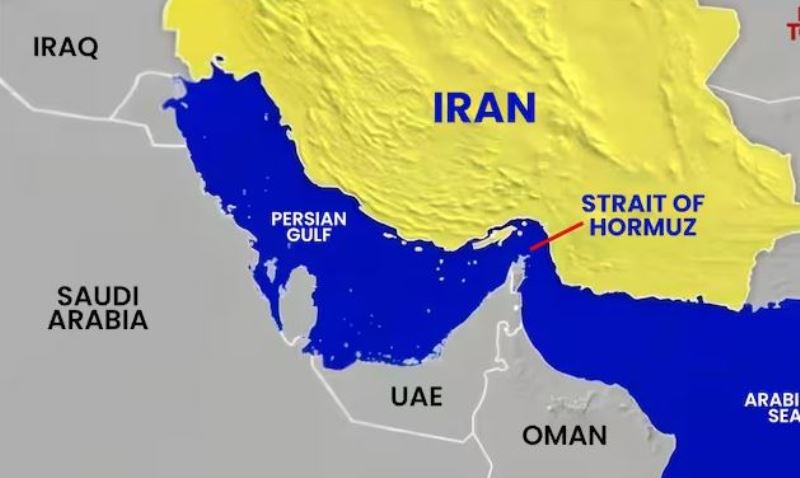
Major combat operations across the Middle East have intensified dramatically, marking Day 832 of the Red Sea crisis and raising fears of a prolonged disruption to global shipping. The latest escalation follows coordinated strikes by the United States and Israel on Iranian targets, prompting retaliatory missile attacks by Iran on U.S. bases in the UAE, Bahrain, Qatar, Kuwait, Saudi Arabia, and on Israel.
In a significant maritime development, Iran has announced the closure of the Strait of Hormuz, one of the world’s most critical shipping chokepoints. The announcement has triggered immediate reactions across the container shipping sector, with multiple vessels aborting planned transits.
Container Vessels Reverse Course
AIS tracking data shows several container vessels making U-turns or halting progress near the Strait:
Vessels exiting the Gulf that made U-turns:
700 TEU Ocean Breeze
2,800 TEU CMA CGM San Antonio
1,100 TEU Contship Uno
2,500 TEU CMA CGM Manaus
1,700 TEU CMA CGM Saigon
Vessel that aborted entry into the Gulf:
2,700 TEU HONG DA XIN 768
Vessels halting within the Gulf:
6,700 TEU EPAMINONDAS
1,800 TEU H CYGNUS
Additional ships—including D QUEENS, MSC MIRA V, Maersk Boston, ZHONG GU KUN MING, and NORTHERN GUARD—have either reversed course or stopped progressing toward the Strait.
Maritime authorities have warned of electronic interference in the region. The UK Maritime Trade Operations (UKMTO) issued an advisory highlighting significant military activity across the Arabian Gulf, Gulf of Oman, North Arabian Sea, and the Strait of Hormuz, urging vessels to prepare for disruptions to AIS, navigation, and communication systems. Notably, AIS anomalies have already been observed, including a 13,000 TEU container vessel falsely appearing to be on land in the UAE.
Carriers Reassess Routing
Even before the outbreak of open hostilities, major carriers had begun precautionary route adjustments. Maersk and Hapag-Lloyd advised customers that certain Middle East services would avoid the Red Sea and reroute around Africa.
As of now, no formal advisories have been issued regarding Hormuz transits, though Bloomberg reports that some oil tankers have already begun avoiding the passage.
Meanwhile, three services operated by CMA CGM—MEDEX, BEX2, and INDAMEX—show no official schedule changes yet, though vessel movements indicate mounting caution.
Risk of Regional Congestion
If the Strait remains closed or carriers suspend large container vessel transits, the impact on regional transshipment hubs could be severe. Increased cargo diversion may strain key hubs including:
Port of Salalah
Port of Colombo
Port of Tanjung Pelepas
Port of Singapore
Potential overflow could also affect Fujairah in the UAE, as well as Sohar and Duqm in Oman.
Uncertain Outlook
At present, there are no confirmed reports of direct attacks on commercial vessels by Iran or Houthi forces. However, Israeli media outlets report that Houthi sources suggest maritime attacks could resume imminently, though no official confirmation has been issued.
With all container vessels poised to transit the Strait reportedly turning back, the shipping industry now faces heightened uncertainty. Should the closure persist, supply chain disruptions, freight rate volatility, and regional port congestion are likely to intensify in the coming weeks.
The situation remains fluid, with the scale and duration of hostilities set to determine the depth of the maritime impact.