
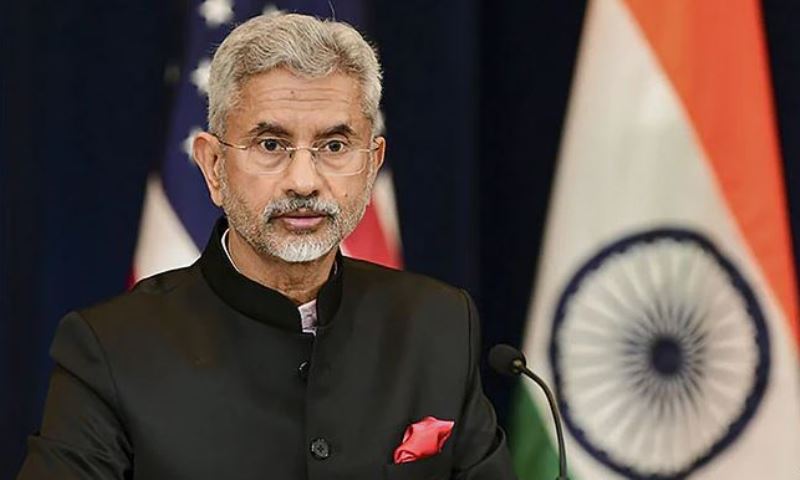
India has strongly condemned recent attacks on merchant shipping, with External Affairs Minister Subrahmanyam Jaishankar stating that such actions are “completely unacceptable” amid escalating tensions in West Asia.
Speaking on the evolving situation, Jaishankar emphasised the importance of safeguarding global maritime routes, noting that disruptions to commercial shipping pose serious risks to international trade and energy security. He underscored that freedom of navigation must be upheld in accordance with international law.
The remarks come against the backdrop of increased instability in key shipping corridors, including areas around the Strait of Hormuz, a critical passage for global oil and cargo flows. Any threat to vessels operating in these waters has raised concerns among governments and industry stakeholders worldwide.
India, which relies heavily on maritime trade for energy imports and exports, is closely monitoring developments and remains engaged with international partners to ensure the safety of shipping lanes.
Jaishankar reiterated that targeting civilian merchant vessels undermines global economic stability and called for collective efforts to de-escalate tensions and maintain secure sea lines of communication.