
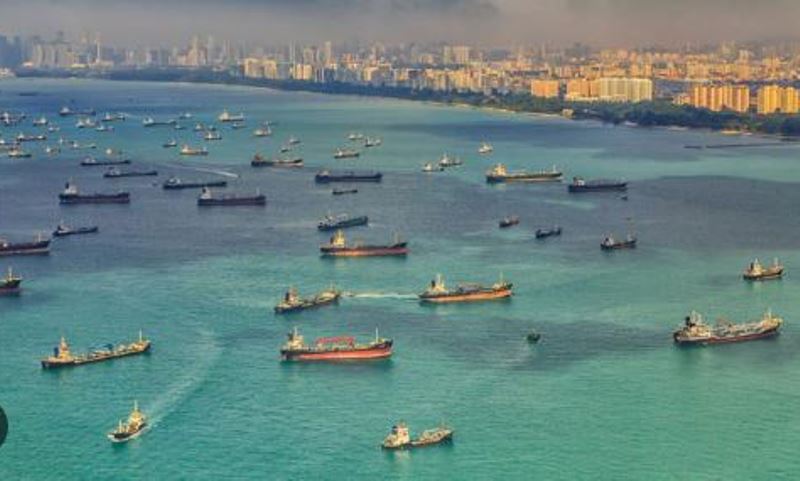
The United States Central Command (CENTCOM) has confirmed that American forces are continuing a strict maritime restrictive operation in the region, effectively enforcing a blockade on Iranian ports. According to official statements, US forces are actively preventing vessels from entering or exiting Iranian waters as part of a broader effort to monitor and control movement around key coastal hubs.
Highlighting the scale of the enforcement, authorities stated that at least 38 ships have been instructed to turn back or return to port, underscoring the intensity of the ongoing maritime restrictions.
Amid this escalating pressure, Iran has ramped up its diplomatic outreach. Iranian Foreign Minister Abbas Araghchi arrived in Russia on Monday for high-level talks with President Vladimir Putin. The visit follows Araghchi’s recent engagements in Islamabad and Muscat and is expected to include discussions with Russian Foreign Minister Sergey Lavrov.
The diplomatic push comes at a sensitive moment, particularly after US President Donald Trump cancelled a planned visit to Islamabad by envoys Steve Witkoff and Jared Kushner, a move that stalled direct mediation efforts.
Despite the setback, indirect communication channels remain active. Iran has reportedly sent “written messages” to Washington through Pakistan, outlining its red lines on its nuclear programme and the strategic situation in the Strait of Hormuz.
The broader geopolitical tensions have had significant global repercussions. Although a ceasefire involving the US, Israel, and Iran has largely held, Iran’s closure of the Strait of Hormuz has severely disrupted the flow of oil, gas, and fertilisers, triggering price surges and raising concerns over food security, particularly in developing nations.
While hopes for renewed negotiations in Pakistan diminished following the cancelled US visit, fresh diplomatic signals have emerged. Reports indicate that Tehran has proposed a framework to reopen the Strait of Hormuz and end hostilities, including a suggestion to defer nuclear negotiations to a later stage—potentially paving the way for de-escalation in both maritime and economic tensions.