
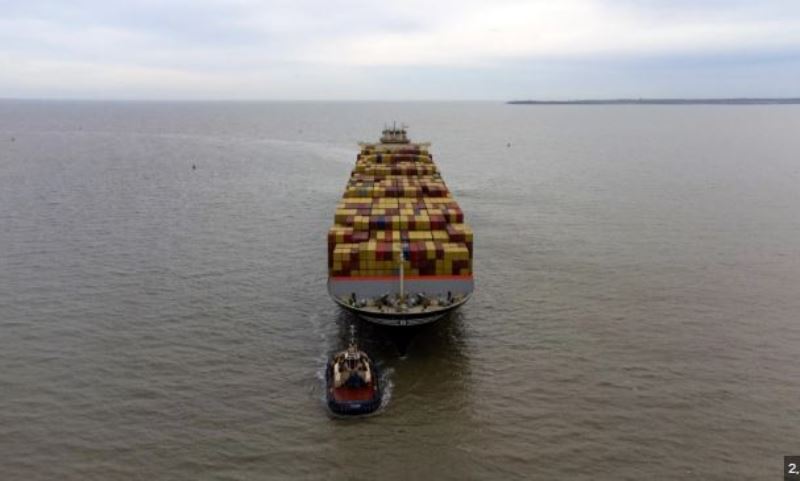
Global shipping lines are increasing the number of blanked sailings ahead of the peak shipping season as carriers move to tighten capacity and stabilize freight market conditions amid fluctuating demand patterns.
Industry sources said vessel cancellations and schedule adjustments are being implemented across several major trade lanes, particularly on Asia-Europe and trans-Pacific routes. The strategy is aimed at balancing available vessel space with cargo volumes while helping carriers manage operational costs and freight rate pressures.
Shipping analysts noted that blanked sailings are commonly used by carriers to optimize network utilization, reduce excess capacity, and improve schedule reliability during periods of market uncertainty. The latest adjustments come as the industry prepares for the traditional peak season driven by retail inventory replenishment and holiday-related shipments.
Freight forwarders and exporters are closely monitoring the situation, as tighter capacity could influence container availability, transit times, and spot freight rates in the coming months. Market participants expect carriers to continue fine-tuning service networks depending on cargo demand trends and broader geopolitical developments affecting global trade routes.