
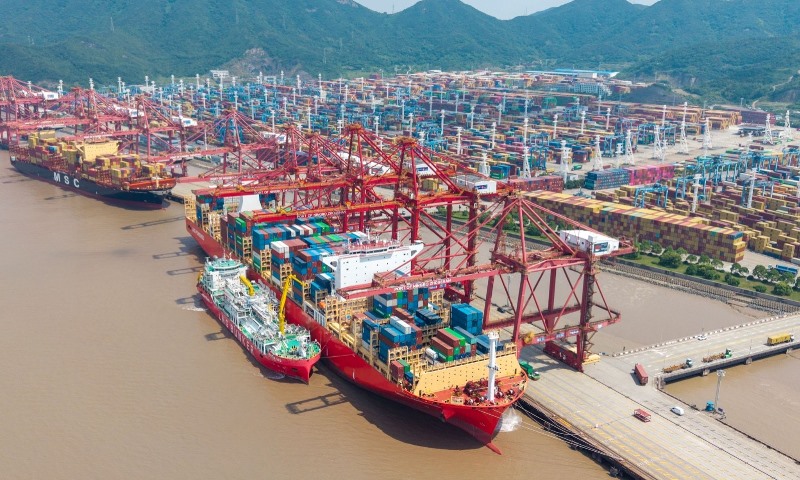
Port of Valencia and Port of Ningbo-Zhoushan have launched a new green shipping corridor initiative in partnership with MSC Mediterranean Shipping Company, aimed at promoting lower-emission maritime transport between Europe and Asia.
The initiative is designed to support decarbonisation of container shipping operations on the Asia–Europe trade lane by encouraging the use of cleaner fuels, energy-efficient vessel operations, and sustainable port infrastructure. Industry stakeholders described the project as part of broader global efforts to reduce greenhouse gas emissions from international shipping.
Port authorities said the corridor will focus on cooperation in areas such as alternative marine fuels, digital efficiency solutions, shore power infrastructure, and emissions monitoring. The collaboration is also expected to encourage adoption of best practices for sustainable logistics and cargo handling operations.
MSC, one of the world’s largest container shipping lines, has been expanding investments in fuel-efficient vessels and low-carbon shipping technologies as the industry works toward meeting emissions reduction targets established by the International Maritime Organization.
Industry analysts noted that green corridors are becoming increasingly important as ports and shipping companies seek practical pathways for transitioning toward cleaner maritime operations. Such initiatives often serve as testing grounds for new fuels and operational models before wider commercial adoption.
The Port of Valencia and Port of Ningbo-Zhoushan are both major global container hubs handling substantial cargo volumes on the Asia–Europe trade corridor. Strengthening sustainability cooperation between the ports could support more environmentally efficient trade flows across one of the world’s busiest shipping routes.
The launch of the corridor also reflects growing international collaboration within the maritime industry to accelerate decarbonisation while maintaining supply chain reliability and global trade connectivity.