
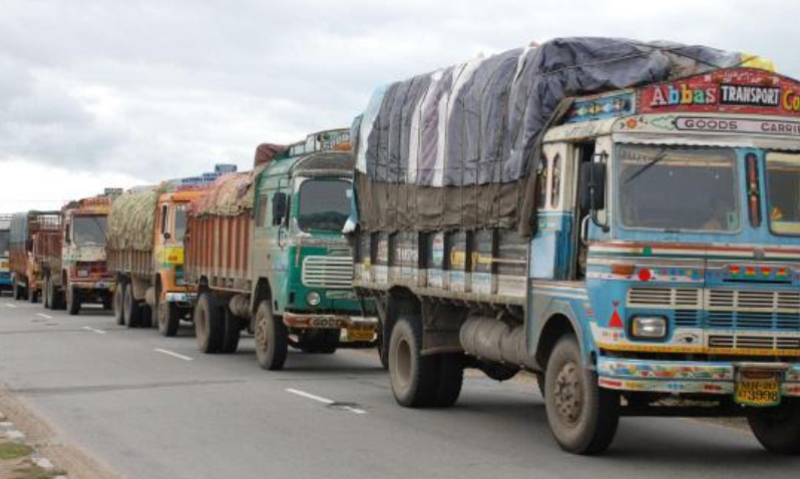
India’s rapid expansion of its expressway network is transforming road connectivity across the country, but logistics experts say the full benefits for freight transportation are yet to be realized as operational bottlenecks continue to slow truck movement. Despite significant investments in high-speed corridors designed to reduce transit times and improve supply chain efficiency, freight operators report that trucks often face delays that limit productivity gains.
Industry stakeholders point to several factors behind the persistent challenges, including congestion at entry and exit points, delays at industrial clusters, inadequate truck parking facilities, and inefficiencies in last-mile connectivity. While expressways enable faster travel over long distances, freight vehicles frequently encounter slowdowns before reaching logistics hubs, warehouses and manufacturing centres.
The trucking sector has also highlighted issues such as driver shortages, uneven adoption of digital freight management systems and regulatory compliance requirements that can affect operational efficiency. These challenges can reduce the time savings achieved on modern expressways and increase overall logistics costs.
Experts note that India’s ambition to lower logistics costs as a percentage of GDP will require not only world-class road infrastructure but also improvements in supporting logistics ecosystems. Investments in multimodal logistics parks, warehousing facilities, intelligent transport systems and dedicated freight handling infrastructure are seen as essential to maximizing the value of expressway development.
The government has launched several initiatives aimed at improving freight mobility and strengthening supply chain efficiency. However, industry observers believe that closer integration between road infrastructure, logistics services and industrial networks will be necessary to unlock the full economic benefits of the country’s expanding expressway network.
As freight volumes continue to grow alongside India’s manufacturing and export ambitions, addressing operational bottlenecks will remain critical to ensuring that expressway investments translate into faster, more reliable and cost-effective cargo movement across the country.