
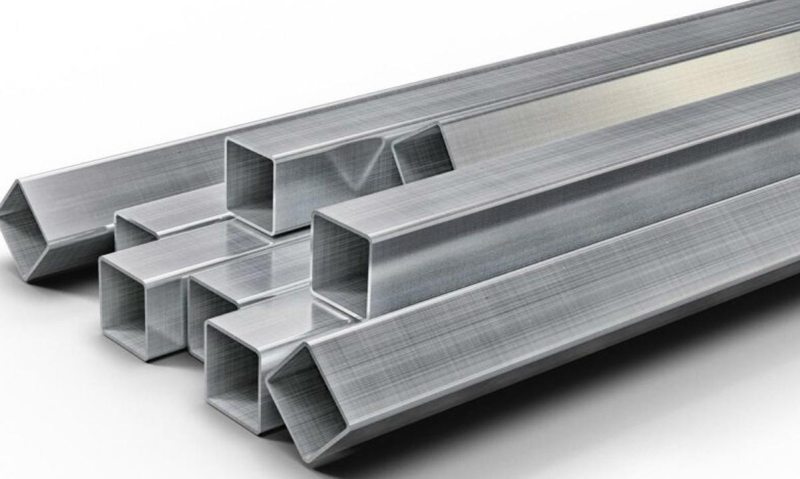
India should consider restricting exports of primary aluminium to strengthen its domestic manufacturing base and reduce dependence on imported inputs for key industries, according to a new recommendation by the Global Trade Research Initiative (GTRI).
The policy think tank argues that primary aluminium is a critical industrial input used across sectors such as automotive, construction, power, packaging, and defence. Allowing higher volumes of exports, it says, could tighten domestic availability and push up input costs for local manufacturers at a time when India is seeking to expand its industrial output.
GTRI has suggested that a calibrated approach to trade policy—potentially including export curbs or tighter monitoring—could help ensure stable supply for domestic consumption while supporting the government’s broader “Make in India” manufacturing goals.
The report highlights that global competition for strategic metals has intensified, with several economies prioritizing domestic value addition over raw material exports. In this context, GTRI believes India risks weakening its industrial competitiveness if primary aluminium continues to flow out of the country without restrictions.
At the same time, industry observers note that aluminium exporters could face revenue pressure if policy changes are introduced, and caution that any measures would need to balance domestic industrial needs with export earnings and global market commitments.
The recommendations come as India continues to reassess its trade and industrial policies to boost self-reliance in key manufacturing sectors while maintaining export growth momentum.