
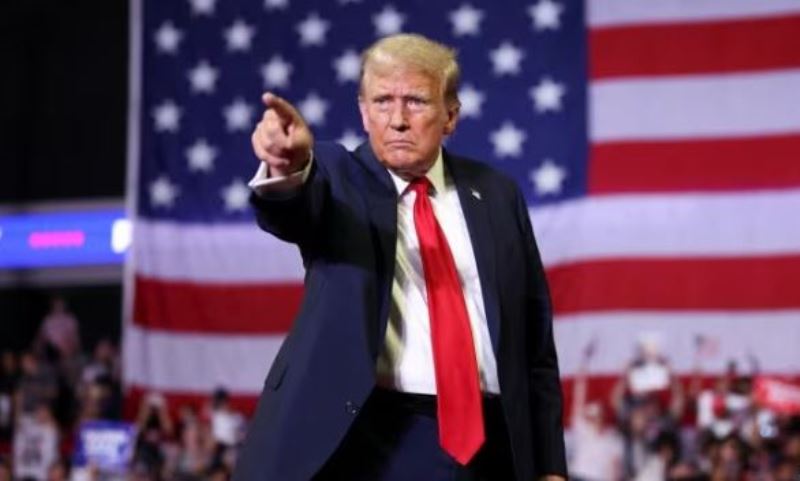
U.S. President Donald Trump has proposed imposing a 20% charge on cargo transiting the Strait of Hormuz, arguing that the levy would help finance security operations in one of the world’s most strategically important maritime chokepoints. The proposal comes amid renewed concerns over regional instability and the need to safeguard commercial shipping through the Gulf.
The Strait of Hormuz carries roughly one-fifth of global oil consumption along with significant volumes of liquefied natural gas (LNG), containerised cargo, and other commodities. Any disruption to traffic through the narrow waterway has the potential to affect global energy supplies, freight markets, and international trade.
According to the proposal, the cargo charge would be intended to offset the costs of naval patrols, maritime surveillance, and other security measures aimed at protecting commercial vessels from potential threats. Supporters argue that shipping companies and cargo owners benefiting from enhanced security should contribute to the cost of maintaining safe passage.
However, the proposal is likely to face legal, diplomatic, and commercial scrutiny. International maritime law, existing transit rights, and the interests of Gulf states and major trading nations would all play a significant role in determining whether such a measure could be implemented. Industry stakeholders have also expressed concerns that an additional cargo levy could increase shipping costs, raise freight rates, and add to inflationary pressures across global supply chains.
The shipping industry has already been grappling with elevated insurance premiums, security surcharges, and longer voyage times due to geopolitical tensions in the Middle East. An additional cargo charge could further increase operating costs for carriers transporting crude oil, petroleum products, LNG, chemicals, and containerised goods through the region.
While the proposal has sparked debate over funding maritime security, analysts note that any policy affecting international shipping through the Strait of Hormuz would require broad international cooperation and careful consideration of its economic and legal implications. The waterway remains a critical artery for global trade, making uninterrupted and secure navigation a priority for governments, shipping companies, and energy markets worldwide.