
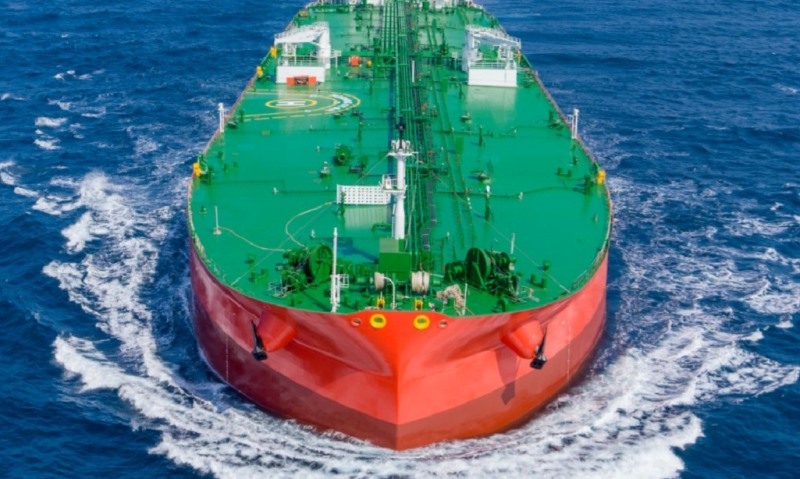
Export disruptions, falling oil stocks and uncertainty around the Strait of Hormuz are putting increasing pressure on global tanker demand, according to BIMCO.
Tanker shipping markets are facing mounting pressure as disruptions to oil and refined-product exports reduce seaborne cargo volumes, while declining global inventories raise concerns over oil prices, economic growth and future tanker demand, according to Niels Rasmussen, Chief Shipping Analyst at BIMCO.
The outlook remains closely tied to developments in the Strait of Hormuz. Although a Memorandum of Understanding (MoU) signed between the United States and Iran on June 17 briefly raised hopes that the strategically important waterway could reopen to normal shipping, negotiations have since stalled. Safe and reliable passage through the strait remains uncertain.
Against this backdrop, BIMCO continues to assess two scenarios: a gradual normalisation of conditions during the fourth quarter of 2026, referred to as the “SoH open” scenario, and a scenario in which current disruptions continue through the remainder of 2026 and throughout 2027, referred to as “SoH closed.”
Export volumes decline
Year-to-date oil and heavy-product export volumes have fallen 5.7% year-on-year, while clean-product export volumes have declined by 11.2%.
Despite the reduction in clean-product volumes, product tanker tonne-mile demand has edged higher year-to-date, largely because LR2 tankers have captured a greater share of crude oil and heavy-product cargoes.
Exports from the Persian Gulf remain significantly below previous levels. Saudi Arabia’s Red Sea exports have also come under pressure from the Houthis’ embargo, while Russian exports have increasingly been disrupted by attacks targeting refineries, oil infrastructure and shipping.
BIMCO said these developments pose a growing threat to tanker demand.
Global oil stocks under pressure
The impact of the export disruptions is also being reflected in global inventories. Oil and refined-product stocks have fallen by more than 500 million barrels, with stock releases helping to compensate for lost production.
Refined-product inventories, particularly diesel stocks, are under especially significant pressure. According to BIMCO, OECD oil and product stocks could fall to around 70 days of cover by late 2027 if current trends continue.
“Unless normal oil export volumes can soon be restored, declining oil and product stocks could eventually threaten tanker demand,” Rasmussen said.
He added that the longer export disruptions persist, the greater the risk that inventory releases will no longer be sufficient to offset lost oil supply. This could result in higher oil prices, weaker economic growth and, ultimately, lower tanker demand.
Freight rates remain elevated
Despite weaker underlying cargo demand, dirty tanker freight rates have risen sharply since the outbreak of the US-Iran war and have remained at elevated levels.
The increase has been driven by reduced fleet productivity, stranded vessels and operational delays, which have tightened effective tanker supply. Higher war-risk insurance premiums have also contributed to stronger freight rates.
Clean tanker rates have increased as well, although by considerably less than dirty tanker rates. BIMCO attributed the more moderate rise to fleet growth in the clean tanker segment and its lower dependence on Persian Gulf trade.
2027 outlook depends on Hormuz
The outlook for 2027 will largely depend on whether disruptions in the Strait of Hormuz ease.
Under the “SoH open” scenario, BIMCO expects tanker demand to recover during 2027 as oil and refined-product export volumes increase and depleted inventories are gradually replenished. However, improved fleet productivity and continued growth in tanker supply are expected to put downward pressure on freight rates over time.
Under the “SoH closed” scenario, tanker demand could weaken further in 2027. Continued depletion of oil and product stocks could reduce demand for seaborne cargoes, while accelerating fleet growth would increase available ship supply.
The tanker market therefore faces a delicate balance between geopolitical disruption, inventory levels and fleet growth. While disruptions have supported freight rates in the short term by restricting effective vessel supply, a prolonged reduction in global oil trade could ultimately undermine tanker demand.