
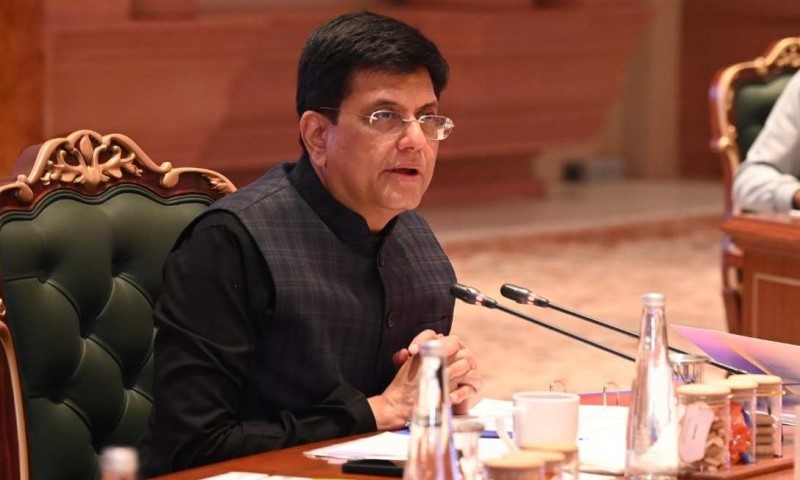
In a major step toward streamlining India’s supply chain network, Commerce and Industry Minister Piyush Goyal on Saturday launched a comprehensive set of integrated logistics initiatives aimed at reducing transaction costs for businesses and improving overall logistics efficiency.
As part of the rollout, a pilot programme has commenced in eight cities across eight states. This initiative will assess existing logistics infrastructure, identify bottlenecks, and create a roadmap to enhance the movement of goods and reduce costs. The long-term goal is to scale the initiative nationwide, ultimately strengthening supply chains and boosting the competitiveness of Indian industry.
“This initiative will enable smoother movement of goods, reduce delays, and make our industry more competitive globally,” Goyal said.
Key Launches Include:
1. Guidebook on Harmonised System of Nomenclature (HSN) Codes
Goyal also introduced a comprehensive HSN code guidebook, listing 12,167 codes across 31 ministries and departments. This reference tool is expected to enhance policy accuracy, ease inter-ministerial coordination, and bolster India’s negotiating position in international trade.
“Mapping HSN codes with relevant ministries will simplify processes for businesses, promote transparency, and support data-driven policymaking,” the ministry noted.
2. Logistics Data Bank (LDB) 2.0
An upgraded version of the Logistics Data Bank, LDB 2.0—developed by NICDC Logistics Data Services (NLDSL)—was launched to offer real-time tracking of shipments, including export containers even after they leave Indian ports. This enhanced visibility aims to improve exporters’ planning capabilities and increase India’s credibility in global trade markets.
3. LEADS (Logistics Ease Across Different States)
The minister also rolled out the latest version of the LEADS index, a benchmarking tool that evaluates logistics performance across states and Union Territories. The tool is designed to foster healthy competition and encourage regional improvements in logistics services.
These initiatives collectively aim to transform India’s logistics ecosystem, making it more transparent, efficient, and globally competitive.