
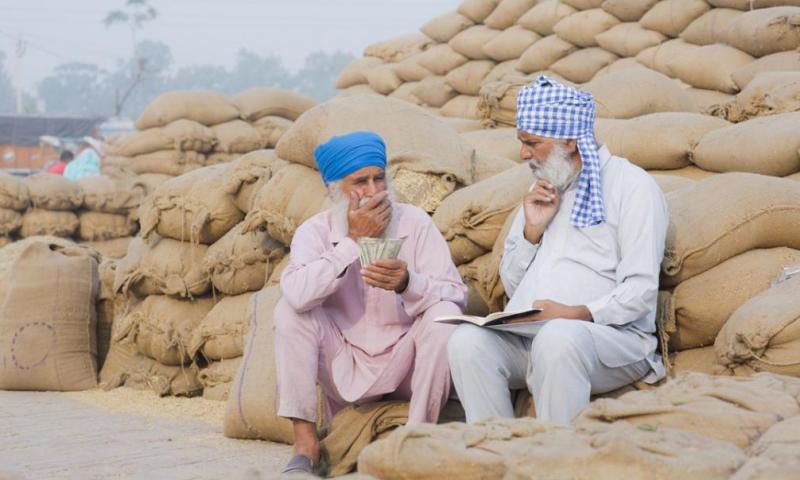
Farmer groups across India have urged the government to exclude agriculture and dairy products from the proposed trade agreement with the United States, citing concerns over potential duty-free imports that could impact domestic livelihoods.
Stakeholders warn that allowing unrestricted access to foreign agricultural and dairy products may expose Indian farmers to intense price competition, particularly from highly subsidized sectors in developed markets. They argue that such a move could दबाव farmgate prices and threaten the sustainability of small and marginal farmers.
Representatives from farmer unions and dairy cooperatives have called for a clear carve-out for sensitive sectors, emphasizing that agriculture remains a critical source of income and employment in rural India. The dairy industry, in particular, has raised concerns about competing with large-scale producers from the US.
Officials involved in the negotiations acknowledge the concerns and indicate that protecting vulnerable sectors remains a key consideration in ongoing discussions. Trade experts note that such carve-outs are common in free trade agreements, especially for politically and economically sensitive industries.
At the same time, policymakers are balancing domestic interests with broader trade objectives, including expanding market access for Indian goods and strengthening bilateral economic ties.
As negotiations progress, the final contours of the agreement will likely reflect a compromise between safeguarding domestic agriculture and leveraging new trade opportunities, with farmer concerns expected to play a significant role in shaping the outcome.