
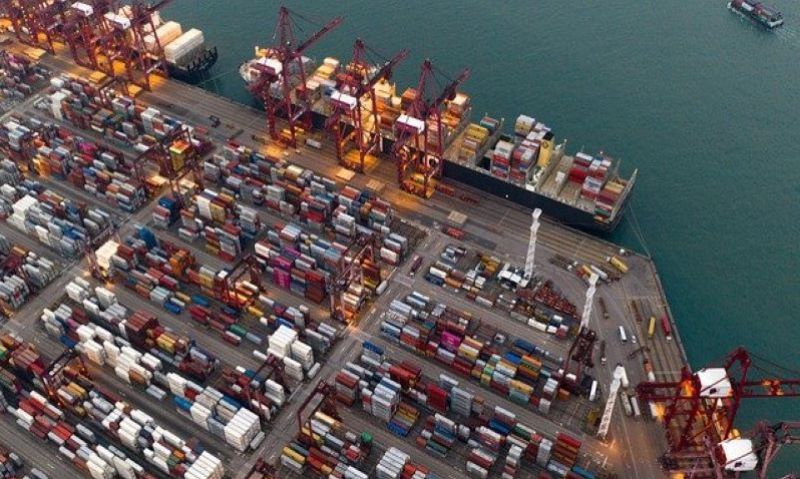
Global container port productivity has declined between 2020 and 2024 due to a combination of global disruptions, including the ongoing Red Sea crisis, constraints at the Panama Canal, and lingering shocks from the COVID-19 pandemic. These findings come from the latest Container Port Performance Index (CPPI), jointly released by the World Bank Group and S&P Global Market Intelligence.
The comprehensive report, which benchmarks 403 container ports worldwide, draws on data from approximately 175,000 vessel port calls and 247 million container moves over the past four years. Despite a general downturn in productivity, regional performance varied widely, with some ports making notable progress.
East and South Asia Lead in Efficiency Gains
East Asian ports outperformed all other regions, securing top positions in the 2024 rankings due to significant improvements in operational efficiency. South Asian ports also demonstrated a strong rebound from previous years, registering a “remarkable recovery” over their 2023 performance.
Conversely, major ports across North America and Europe maintained relatively stable performance levels. While they faced continued geopolitical tensions and supply chain disruptions, they largely held their ground compared to previous years.
Developing Ports on the Rise
Among the standout performers were ports in several developing nations. Dakar (Senegal), Jawaharlal Nehru (India), Mersin (Türkiye), and Port Said (Egypt) were highlighted for their substantial gains in efficiency between 2020 and 2024.
These improvements were credited to several factors:
-
Strong political will and commitment to reform,
-
Partnerships with leading global terminal operators,
-
Simplified trade and customs procedures, and
-
Targeted investments backed by financial institutions.
“Even amid the multiple shocks, developing country ports are finding ways to adapt, improve, and maximise value,” said Nicolas Peltier-Thiberge, World Bank’s Global Director for Transport. “It’s a reminder that with better planning, technology, and co-operation across the logistics chain, ports can make significant strides in their efficiency.”
Measuring Port Performance
The CPPI placed strong emphasis on total vessel time in port — a key indicator of port reliability and efficiency. Ports that implemented around-the-clock crane operations and optimized crane deployment reported measurable gains in throughput and vessel turnaround times.
The report signals that while global challenges continue to strain port infrastructure and logistics networks, strategic improvements and international cooperation can drive resilience and operational success, particularly in emerging economies.