
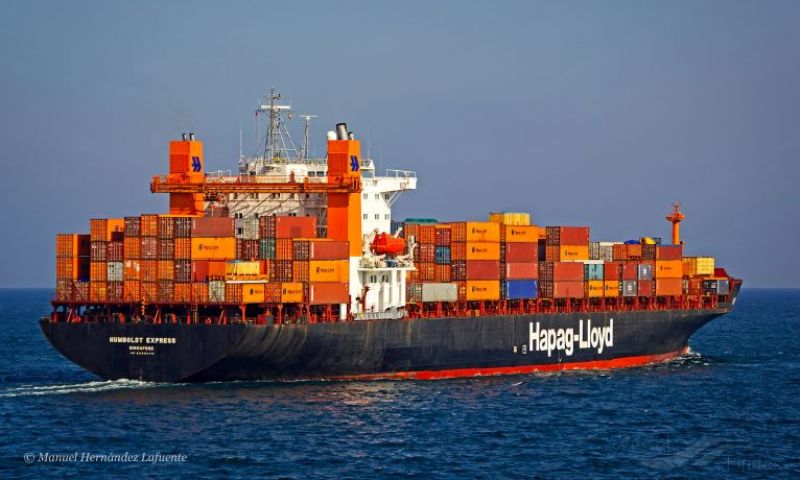
Hapag-Lloyd has announced a new increase in freight rates on services operating between the Far East and Europe, as carriers continue efforts to stabilize pricing across major east–west trade lanes.
The revised tariffs are expected to apply to a range of containerized cargo moving from key Asian export hubs to European destinations. The carrier cited evolving market conditions, capacity management measures and higher operational costs as key factors behind the adjustment.
Industry sources said the rate hike comes amid ongoing attempts by global container shipping lines to restore profitability after periods of freight rate volatility. Carriers have been actively managing vessel deployment, adjusting schedules and implementing seasonal pricing strategies to balance supply and demand on major trade routes.
The Far East–Europe corridor remains one of the world’s busiest shipping lanes, handling significant volumes of manufactured goods, electronics, textiles and industrial cargo. Freight rates on this route are often influenced by seasonal demand cycles, port congestion levels and global economic trends.
Logistics analysts noted that recent rate increases reflect broader industry efforts to maintain rate discipline in a market still adjusting to post-pandemic demand normalization and fluctuating trade volumes. Exporters and freight forwarders are closely monitoring pricing trends as they plan shipments and manage supply chain costs.