
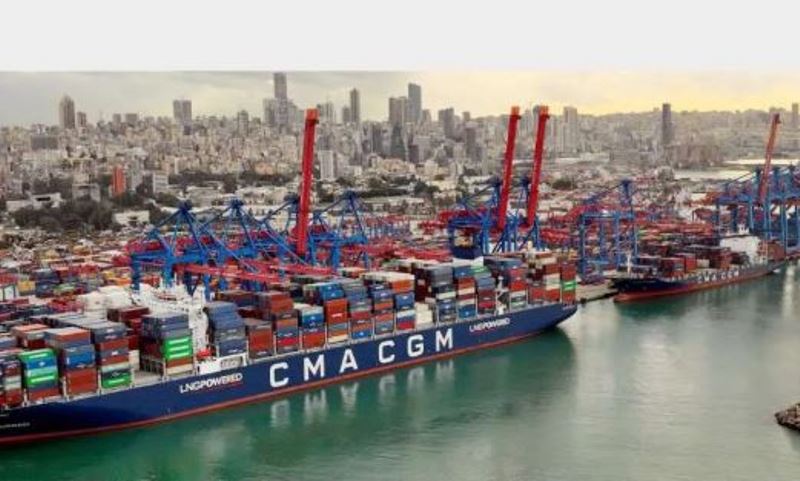
CMA CGM has announced changes to its SAFRAN service connecting North Europe and South America, replacing the Rio Grande port call with a new stop at Itapoa as part of a broader network optimization strategy.
The revised rotation is intended to improve schedule reliability, strengthen cargo connectivity and better align the service with evolving customer demand across the trade lane. The addition of Itapoa is expected to enhance access to southern Brazilian cargo markets while improving operational efficiency for the carrier’s South America services.
Industry sources said the removal of Rio Grande from the rotation reflects ongoing efforts by container shipping lines to streamline port calls, reduce transit times and optimize vessel deployment amid changing market conditions. Carriers continue adjusting network structures to improve service performance and manage operational costs across major global routes.
The SAFRAN service plays a key role in linking exporters and importers between Northern Europe and the East Coast of South America, supporting trade in commodities, industrial goods, refrigerated cargo and consumer products.
Shipping analysts noted that service reshuffles and port rotation adjustments have become increasingly common as carriers respond to fluctuating cargo demand, port congestion challenges and competitive pressures in the container shipping market.