
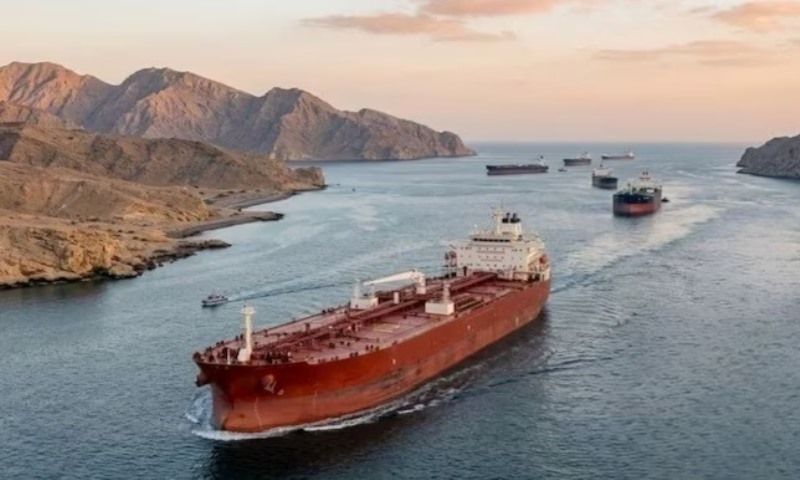
Multiple oil tankers carrying an estimated six million barrels of crude oil have successfully exited the Strait of Hormuz, signaling continued movement of energy shipments through one of the world’s most strategically important maritime chokepoints.
Shipping and tracking data showed the tankers departing the region amid heightened global attention on maritime security and energy supply flows in West Asia. The movement comes as energy markets closely monitor vessel traffic through the Strait, which handles a significant share of global crude oil and LNG trade.
Industry analysts said the successful transit of the tankers may help ease immediate concerns over supply disruptions and support stability in international oil markets. However, shipping companies and insurers remain cautious due to ongoing geopolitical tensions and elevated security risks in the region.
The Strait of Hormuz remains a critical route for crude exports from major Gulf producers, including Saudi Arabia, the UAE, Iraq and Kuwait. Any disruption to vessel movement through the corridor can have a major impact on global energy prices, freight costs and supply chain operations.
Maritime operators continue to implement enhanced risk-management measures, including adjusted routing strategies, increased monitoring and additional insurance coverage, as commercial shipping activity in the region remains under close scrutiny.