
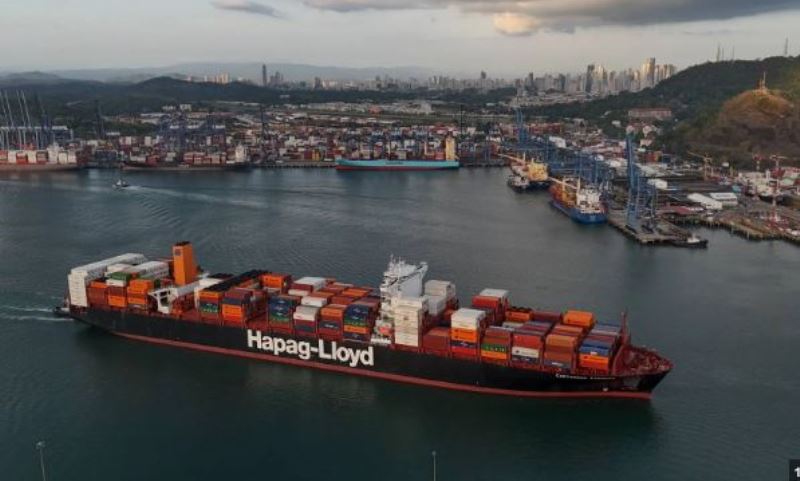
Hapag-Lloyd has announced the implementation of a Peak Season Surcharge (PSS) for cargo moving to and from Australia, citing seasonal demand patterns and evolving market conditions across key trade lanes.
The surcharge will apply to container shipments on designated Australia-related routes and is intended to help offset increased operational costs associated with higher cargo volumes during peak shipping periods. The carrier said the measure forms part of its regular pricing adjustments aimed at maintaining service reliability and network efficiency.
Peak Season Surcharges are commonly introduced by shipping lines when demand for container space rises significantly, resulting in tighter vessel capacity and increased pressure on logistics networks. Such surcharges are often applied during periods of heightened trade activity, including retail inventory replenishment cycles and seasonal export peaks.
Australia remains an important market for containerized trade, handling substantial volumes of agricultural products, consumer goods, industrial equipment and manufactured cargo. Shipping lines continue to monitor demand trends closely as trade flows evolve across Asia-Pacific and global markets.
Industry observers note that carriers have increasingly relied on dynamic pricing measures, including PSS and Freight All Kinds (FAK) rate adjustments, to manage capacity utilization and respond to fluctuations in cargo demand. These measures can influence transportation costs for exporters, importers and freight forwarders operating on affected routes.
Hapag-Lloyd said customers will be provided with details regarding applicable surcharge levels, implementation dates and affected trade corridors through official customer advisories. The carrier continues to focus on maintaining schedule reliability and service quality while adapting to changing market conditions.
The latest surcharge announcement reflects ongoing efforts by container shipping companies to balance network efficiency with demand fluctuations as global supply chains navigate evolving trade dynamics and seasonal cargo movements.