
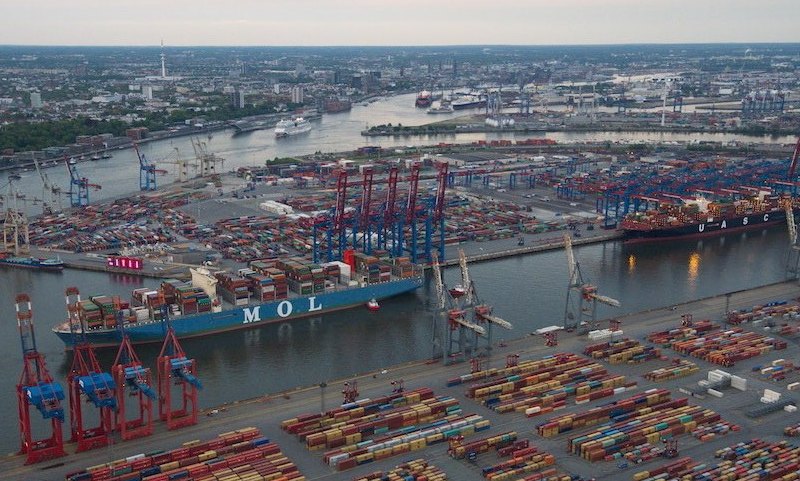
Hapag-Lloyd has expanded the use of shore power for its vessels at the Port of Hamburg, reinforcing its commitment to reducing emissions and supporting cleaner port operations. By connecting ships to the local electricity grid while alongside, the carrier can switch off onboard auxiliary engines, significantly lowering greenhouse gas emissions, air pollutants and noise.
The initiative forms part of Hapag-Lloyd’s broader decarbonisation strategy, which includes the adoption of alternative fuels, fleet modernisation and investments in energy-efficient technologies. Increased use of shore power is expected to help the company meet tightening environmental regulations while improving sustainability across its operations.
The Port of Hamburg continues to invest in shore power infrastructure as part of its efforts to accelerate the maritime energy transition and provide cleaner services for visiting vessels. The expanded availability of shore-side electricity is expected to encourage greater adoption by shipping lines and contribute to improved air quality in the port area.
Hapag-Lloyd’s latest move underscores the growing role of shore power in reducing the environmental impact of global shipping and advancing the industry’s transition towards low-emission port operations.