
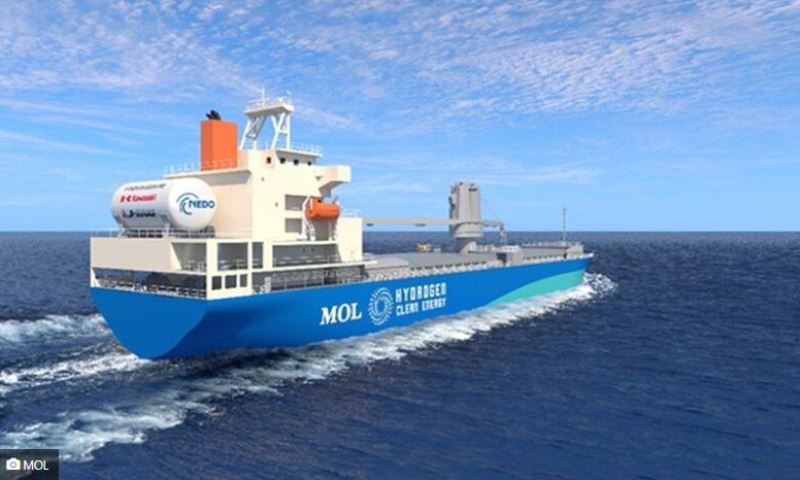
Japan has achieved a significant breakthrough in maritime decarbonization with the successful testing of a hydrogen-powered ship engine, marking a key step toward zero-emission shipping.
The trial, conducted by leading Japanese maritime and engineering firms, demonstrated the viability of using hydrogen as a clean alternative fuel for marine propulsion. The engine test focused on performance, safety, and efficiency under controlled conditions, with results indicating promising potential for commercial application.
Hydrogen-powered engines produce no carbon emissions at the point of use, making them an attractive option for reducing the shipping industry’s environmental footprint. The development aligns with global efforts to transition toward greener fuels and meet increasingly stringent emissions regulations.
Industry experts note that while challenges remain—particularly around fuel storage, infrastructure, and cost—the successful test represents meaningful progress in overcoming technical barriers. Japan has been at the forefront of hydrogen innovation, investing heavily in research and development across multiple sectors.
The maritime sector is exploring a range of alternative fuels, including ammonia, methanol, and hydrogen, as it seeks to decarbonize operations. Hydrogen, in particular, offers long-term potential due to its clean-burning properties, though widespread adoption will depend on the development of supply chains and bunkering infrastructure.
The milestone is expected to accelerate further research, pilot projects, and collaborations between shipbuilders, engine manufacturers, and energy companies. It also reinforces Japan’s position as a leader in advancing sustainable shipping technologies.
As the industry moves toward a low-carbon future, successful hydrogen engine trials could pave the way for next-generation vessels that significantly reduce emissions while maintaining operational efficiency.