
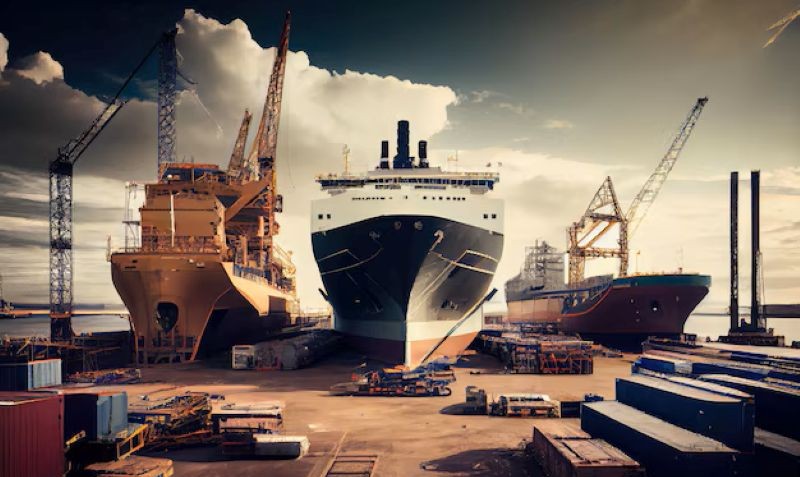
India has taken a major step to boost its maritime ambitions by granting infrastructure status to large commercial ships, a move aimed at expanding the country’s shipping capacity and global competitiveness. The policy, announced on September 19, recognises vessels that meet specific tonnage and Indian ownership criteria as infrastructure assets—making them eligible for easier financing, longer loan tenures and tax benefits.
The government believes this will help India reclaim its legacy as a maritime nation and reduce dependence on foreign vessels for cargo movement. Industry experts say the status will unlock investment, attract global players and lower logistics costs in the long term.
However, the decision has raised concerns among smaller shipowners and coastal operators, who form a large part of the domestic shipping industry but do not qualify under the new norms. Without similar incentives, these players warn they could struggle to access capital and face competitive disadvantages, potentially widening the gap between large and small operators.
While the policy marks a bold push to accelerate growth in the sector, stakeholders argue that inclusive benefits are essential to ensure balanced development across the maritime ecosystem.