
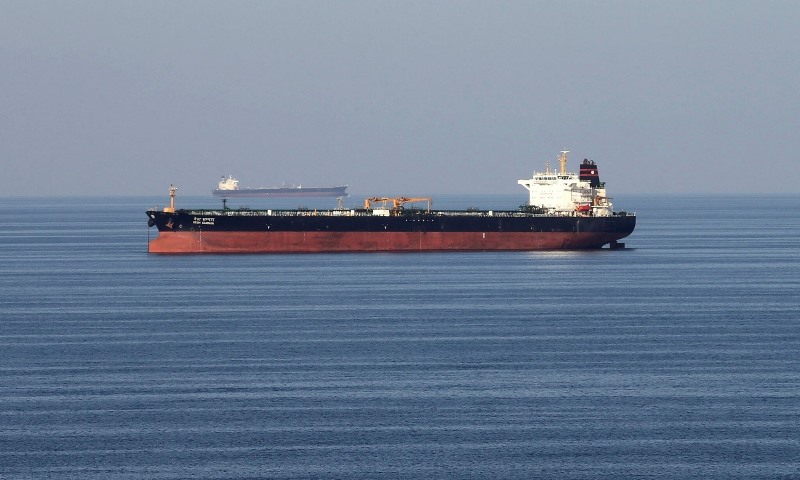
India is considering seeking vessel-by-vessel clearance from Iran for ships transiting the strategically vital Strait of Hormuz, as escalating tensions in West Asia continue to disrupt global maritime traffic and energy supply routes.
Government sources said the proposed arrangement would allow Indian-flagged vessels to obtain individual approvals from Iranian authorities before entering the narrow waterway, ensuring safer passage amid heightened security risks in the region. The move comes as several shipping companies remain cautious about navigating the strait due to ongoing military tensions and threats to commercial vessels.
The Strait of Hormuz is one of the world’s most critical maritime chokepoints, handling a significant share of global crude oil and liquefied natural gas shipments. Any disruption to traffic through the corridor has immediate implications for energy-importing countries such as India, which relies heavily on supplies from Gulf producers.
Recent diplomatic engagement between the two countries has already enabled a limited number of Indian vessels, including LPG carriers, to pass through the strait safely despite the conflict.
Officials said discussions with Tehran remain ongoing, with India focused on safeguarding the movement of its energy cargoes and ensuring the safety of Indian seafarers operating in the region. Maritime authorities are also closely monitoring around two dozen Indian-linked vessels currently in or near the Gulf waters affected by the crisis.
Industry observers say a vessel-by-vessel clearance mechanism could provide a temporary solution to maintain energy flows while broader diplomatic efforts continue to stabilise maritime traffic in the conflict-hit region.