
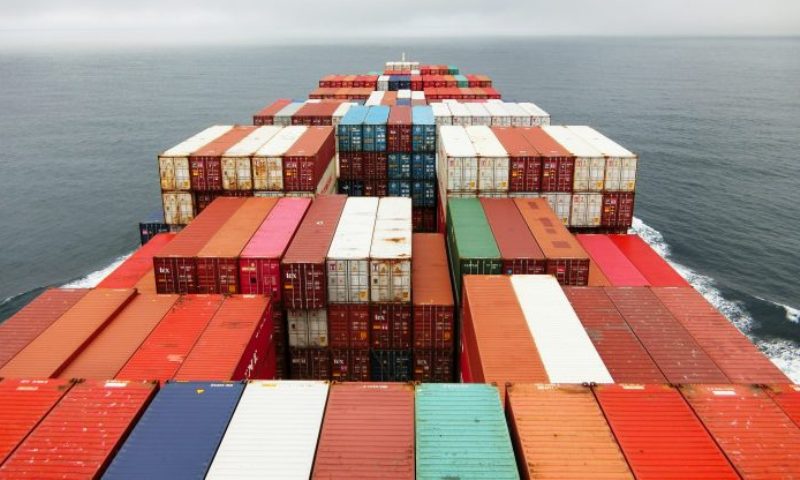
New Zealand is poised to lose its last nationally flagged container ship, marking the end of an era for the country’s domestic merchant shipping industry. The development follows plans to remove the vessel from the New Zealand shipping register, leaving the nation without a container ship operating under its own flag for the first time in decades.
The move reflects broader structural changes in the global shipping industry, where rising operating costs, increasingly competitive international markets, and the widespread use of open registries have prompted many shipping companies to register vessels under foreign flags. Industry observers say the trend has gradually reduced the number of nationally flagged commercial vessels in several maritime nations, including New Zealand.
The departure of the final New Zealand-flagged boxship has sparked concerns among maritime unions and industry stakeholders over the country’s long-term shipping capability, maritime employment, and supply chain resilience. Critics argue that the absence of a nationally flagged container vessel could reduce opportunities for local seafarers and weaken New Zealand’s strategic maritime capacity during periods of global trade disruption.
Supporters of maintaining a national fleet have also highlighted the importance of domestically flagged ships in ensuring reliable coastal and international transport, emergency logistics, and maritime security. They have called for policy measures to improve the competitiveness of New Zealand’s shipping sector and encourage operators to retain vessels under the national flag.
Despite the registry change, the vessel is expected to continue commercial operations under a foreign flag, with no immediate impact on cargo services or customer operations. However, the transition underscores the ongoing challenges facing national shipping registers as operators seek greater operational flexibility and lower compliance costs in an increasingly globalized maritime market.
The expected exit of New Zealand’s last flagged container ship represents a symbolic milestone for the country’s maritime industry and has renewed debate over the future of domestic shipping, national fleet policy, and the role of locally flagged vessels in supporting economic resilience and international trade.