
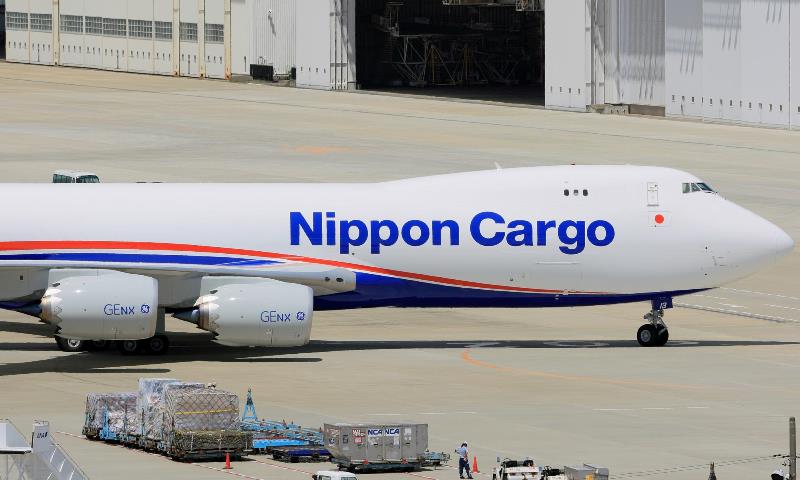
Nippon Cargo Airlines and ANA Cargo have announced a merger of their sales and warehousing operations, aiming to streamline logistics, improve operational efficiency, and provide enhanced service to customers.
The integration will consolidate sales teams and warehouse management functions, enabling both carriers to optimize capacity, reduce redundancies, and improve coordination across domestic and international freight networks. The move is expected to strengthen their combined presence in key markets and offer more seamless supply chain solutions.
Officials from both airlines highlighted that the merger aligns with their broader strategy to enhance competitiveness in a rapidly evolving air cargo sector, while maintaining high standards of service and reliability for clients handling time-sensitive and high-value shipments.
Industry observers note that combining operational functions can lead to faster processing times, better resource allocation, and improved inventory management, benefiting shippers and freight forwarders alike.
The unified operations are scheduled to be fully implemented in the coming months, with both carriers continuing to evaluate additional collaborative opportunities to enhance their global cargo footprint.