
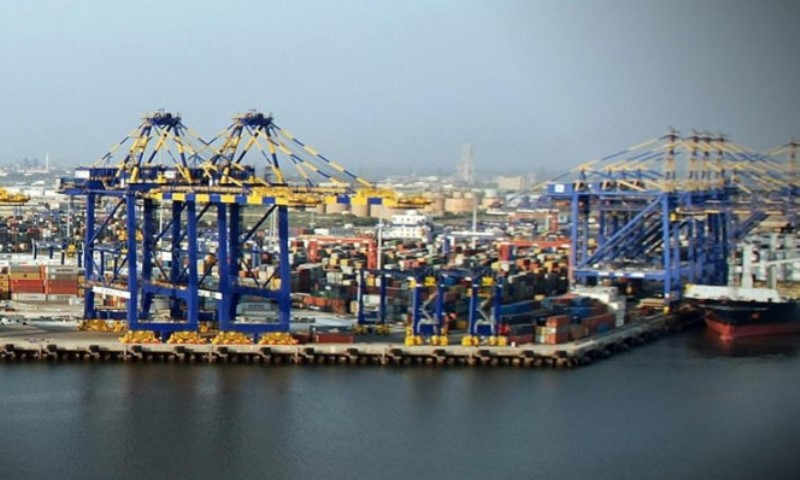
Pakistan is preparing to set up an integrated maritime industrial complex at Port Qasim with Chinese support, following high-level talks held in Islamabad on August 20 between Prime Minister Shehbaz Sharif and a delegation from China’s Shandong Xinxu Group, led by chairman Hou Jianxin.
According to a statement from the Prime Minister’s Office (PMO), Shandong Xinxu expressed interest in developing the complex along with a state-of-the-art “green” ship-recycling yard. The prime minister invited Chinese companies to invest in Pakistan, assuring “all possible facilities” for establishing Special Economic Zones.
The project would combine port operations with shipbuilding, ship repair, and recycling facilities, as well as industrial clusters for fish and date processing. Shandong Xinxu, a high-tech energy enterprise specializing in renewable energy, has indicated its readiness to provide investment and technical expertise. The initiative builds on a July 2025 MoU between the Pakistan National Shipping Corporation (PNSC) and Shandong Xinxu to cooperate on shipping and fleet management.
Officials said the proposed “green” shipbreaking yard would be built to international environmental and safety standards—an effort to avoid the labour and pollution controversies that have long dogged Pakistan’s Gadani yards.
Port Qasim, located 50 kilometres east of Karachi, handles about 35% of Pakistan’s cargo. Authorities believe the new industrial complex could strengthen the port’s role as a logistics and manufacturing hub, complementing Gwadar Port’s expansion under the China–Pakistan Economic Corridor (CPEC).
The PMO said the enterprise would also tap into Pakistan’s potential in seafood and date processing—sectors with strong export prospects but limited modern processing capacity. The project is expected to create thousands of jobs across construction, maritime services, and logistics.
However, challenges remain. Financing arrangements have not yet been disclosed, while Pakistan’s strained fiscal position may limit incentives for foreign investors. Land acquisition and infrastructure expansion at Port Qasim could also prove difficult due to existing industrial density. Analysts further caution that growing reliance on Chinese firms for critical maritime infrastructure could increase Pakistan’s strategic dependence on Beijing.