
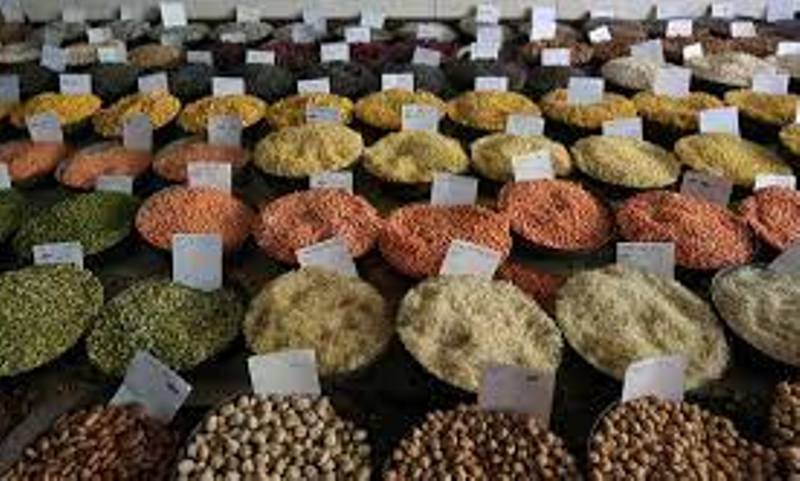
India’s pulses imports declined by 4.5% in 2025 to 65.69 lakh tonnes, reflecting improved domestic availability and calibrated government measures aimed at stabilising prices and boosting local production.
According to trade data, the marginal drop follows a year of elevated imports when the government had relaxed restrictions to cool retail inflation and address supply shortages. With better output of key pulses such as tur, urad and chana during the latest harvest seasons, reliance on overseas purchases eased slightly.
Industry officials said the moderation in imports also coincided with firm global prices and adequate buffer stocks maintained by government agencies. “Domestic arrivals have improved, and procurement has been steady. That has reduced the urgency for aggressive imports,” a trade analyst noted.
India, the world’s largest producer and consumer of pulses, typically imports varieties such as tur (pigeon pea), urad (black gram), masoor (lentil) and yellow peas to bridge demand-supply gaps. Major suppliers include Myanmar, Canada, Australia and certain African nations.
Despite the decline, total imports remain substantial, underscoring the structural demand-supply mismatch in certain pulse varieties. Experts say sustained productivity gains, expansion of acreage, and improved seed varieties will be critical if India aims to significantly reduce import dependence in the coming years.
Government officials have indicated that import policies will continue to be calibrated based on domestic production trends and price movements to ensure affordability for consumers while safeguarding farmers’ interests.
Market participants expect imports in 2026 to depend largely on the performance of the upcoming rabi and kharif crops, as well as global price trends.