
Ukraine’s food exports have been hit hard by intensified Russian attacks on key port infrastructure this month, raising concerns over a significant decline in global grain and edible oil supplies, a Ukrainian farmers’ union said on Wednesday.
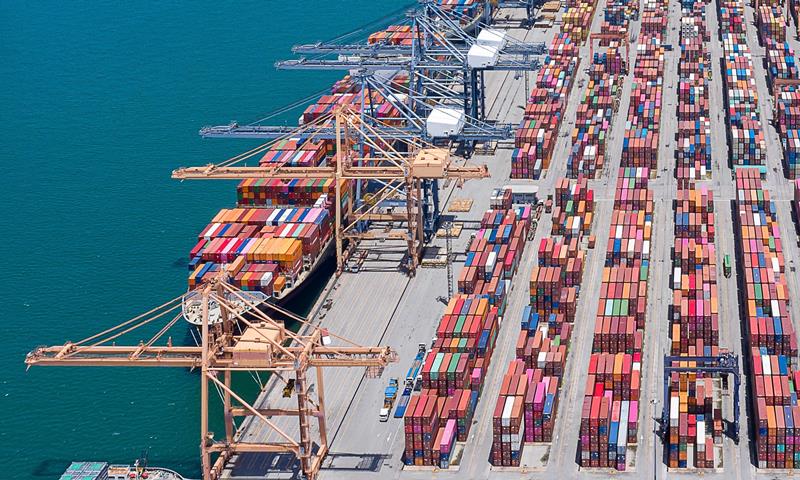
Ukraine is among the world’s largest exporters of agricultural commodities, ranking as a leading supplier of wheat and corn and the world’s top exporter of sunflower oil. However, renewed strikes on Black Sea ports and related logistics facilities have disrupted loading operations, damaged storage infrastructure and slowed vessel movements, sharply reducing export volumes.
According to the farmers’ union, the latest attacks have already delayed shipments and increased costs for exporters, with many traders forced to reroute cargo through rail and road corridors to European Union countries. While these alternative routes have helped keep some exports moving, they lack the capacity and cost efficiency of seaborne trade, making it difficult to offset losses from port disruptions.
“Ports remain the backbone of Ukraine’s agricultural exports,” the union said in a statement. “Even temporary interruptions have an immediate impact on farmers’ incomes, exporters’ contracts and global food markets.”
The situation revives memories of the de facto Russian blockade imposed early in the war, now nearing its fourth year, which severely curtailed Ukraine’s maritime exports and contributed to a global food shortage. That disruption pushed up international prices for grains and vegetable oils, disproportionately affecting import-dependent countries in Africa, the Middle East and parts of Asia.
Although Ukraine has since developed alternative shipping routes and expanded overland exports, industry officials warn that sustained attacks on ports could again squeeze global supply. Exporters also face rising insurance premiums and security-related costs, further eroding margins and discouraging shipments.
Market analysts say a prolonged reduction in Ukrainian exports could tighten global grain balances, especially ahead of key buying seasons. Wheat and corn prices are particularly sensitive to developments in the Black Sea region, one of the world’s most important agricultural export corridors.
Ukrainian authorities have condemned the attacks, accusing Russia of deliberately targeting food infrastructure to undermine the country’s economy and destabilise global markets. Moscow has denied such claims in the past.
For now, farmers and traders remain uncertain about the coming months. “If port operations continue to be disrupted, we will see a noticeable drop in exports despite all our efforts to adapt,” the union said, warning that the impact would be felt far beyond Ukraine’s borders.