
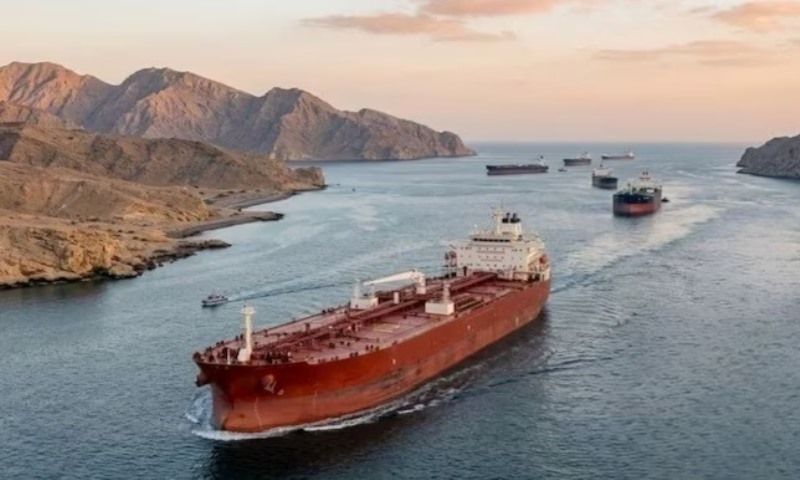
The United States and Iran appear to be moving closer to a diplomatic breakthrough that could lead to the reopening of the Strait of Hormuz, one of the world’s most critical maritime chokepoints, after months of conflict and disruption to global energy trade. Officials from both sides have indicated that negotiations are at an advanced stage, raising hopes for a broader agreement aimed at easing regional tensions and restoring commercial shipping flows.
According to reports, the proposed accord would include measures to reopen the Strait of Hormuz to normal commercial traffic, extend existing ceasefire arrangements and create a framework for further negotiations on security and nuclear-related issues. The waterway handles a significant share of global oil and gas shipments, making its uninterrupted operation vital for international energy markets and maritime trade.
Shipping companies, energy traders and port operators have been closely monitoring developments, as restrictions and security concerns in the region have led to higher transportation costs, insurance premiums and supply chain uncertainties. A successful agreement could help restore confidence among vessel operators and encourage a gradual return to normal trading conditions in the Gulf.
Market reaction has already been visible, with oil prices declining amid expectations that improved security and increased tanker movements through the strait could boost global energy supplies. Analysts note that a sustained recovery in shipping activity would depend on the implementation of concrete security guarantees and compliance by both parties with the terms of any final agreement.
While key details remain under negotiation and no final accord has yet been formally signed, the progress in talks marks one of the strongest indications so far that both Washington and Tehran are seeking a path toward de-escalation. If finalized, the agreement could provide significant relief to global shipping and energy markets while supporting broader regional stability.