
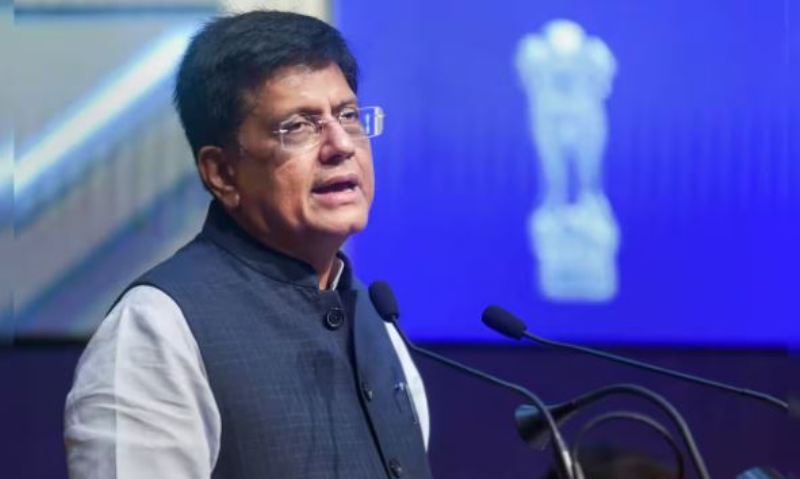
India’s ongoing and proposed trade agreements with the United States, the United Kingdom, and the European Union are set to play a crucial role in advancing the country’s Viksit Bharat vision, Commerce and Industry Minister Piyush Goyal said.
Speaking on the government’s trade strategy, Goyal highlighted that these agreements aim to expand market access for Indian goods and services while attracting greater foreign investment. He noted that deeper economic integration with key global markets would help strengthen India’s manufacturing base, boost exports, and generate employment.
The proposed trade pacts are expected to reduce tariffs, ease regulatory barriers, and improve supply chain linkages across sectors such as textiles, pharmaceuticals, engineering goods, and digital services. Enhanced cooperation in emerging areas like clean energy, technology, and innovation is also on the agenda.
Goyal emphasized that aligning trade policy with the broader Viksit Bharat mission—India’s long-term goal of becoming a developed economy—will be key to sustaining high growth rates. He added that the government is actively engaging with partner countries to ensure balanced and mutually beneficial agreements.
Industry stakeholders have largely welcomed the push, noting that well-structured trade deals can improve competitiveness and provide Indian businesses with greater access to global value chains. However, experts also stress the importance of safeguarding sensitive sectors while negotiating favorable terms.
As India continues to expand its global trade footprint, these agreements are expected to serve as key drivers in accelerating economic transformation and positioning the country as a major player in international commerce.