
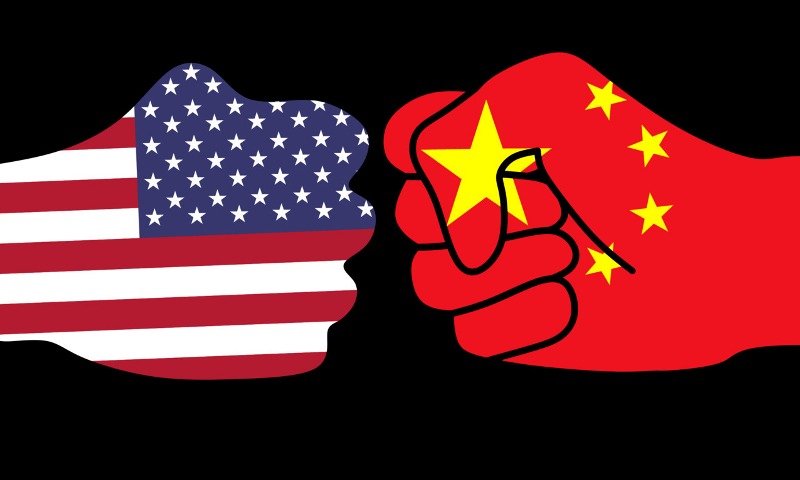
The United States and China will open a new front in their intensifying trade war on Tuesday, October 14, 2025, as both countries begin imposing port fees on ocean shipping companies, targeting vessels that carry everything from holiday toys to crude oil.
Earlier this year, the Trump administration announced plans to levy fees on China-linked ships in a bid to reduce China’s dominance in global maritime trade and boost U.S. shipbuilding. The move follows a Biden-era investigation that found China uses unfair practices to control the maritime, logistics and shipbuilding sectors, clearing the path for these penalties.
The U.S. will officially begin collecting the fees on October 14. Analysts say China-owned container giant COSCO will be hit hardest, facing nearly half of the expected US$3.2 billion in fees in 2026.
China swiftly retaliated, announcing it will impose its own port fees on U.S.-linked vessels starting the same day. According to Jefferies analyst Omar Nokta, the Chinese move could affect 13% of the world’s crude tankers and 11% of global container ships.
“This tit-for-tat symmetry locks both economies into a spiral of maritime taxation that risks distorting global freight flows,” Athens-based Xclusiv Shipbrokers Inc. warned in a research note.
Rising Tensions Beyond Shipping
Tensions escalated further after China curbed exports of critical minerals. In response, President Trump on Friday, October 10, threatened to impose 100% tariffs on Chinese goods and enforce new export controls on “any critical software” by November 1.
Adding to the pressure, U.S. officials warned that any country supporting a proposal at the UN’s International Maritime Organisation (IMO) to reduce greenhouse gas emissions from shipping could face sanctions, port bans, or punitive vessel charges.
China has publicly supported the IMO climate plan.
“The weaponisation of both trade and environmental policy signals that shipping has moved from being a neutral conduit of global commerce to a direct instrument of statecraft,” Xclusiv said.
With both superpowers using maritime policy as leverage, global shipping routes and freight costs could face major disruption in 2025 and beyond.