
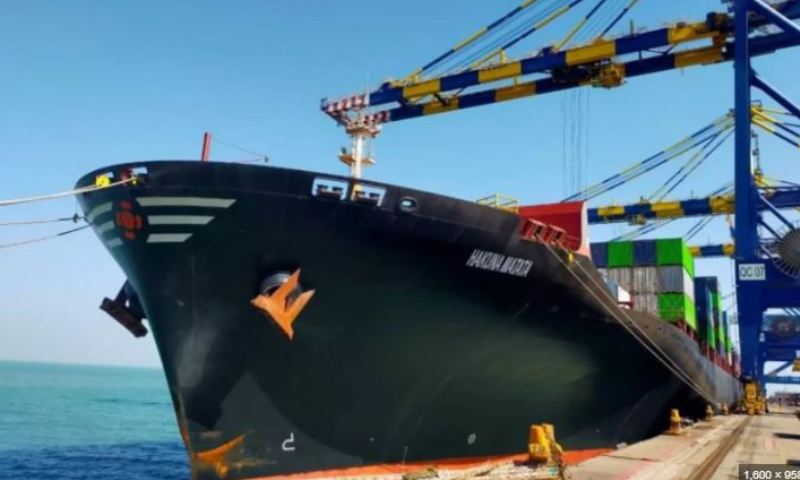
SeaLead Shipping is facing increased regulatory and commercial pressure in the United States amid ongoing concerns related to compliance, documentation standards, and operational transparency in international shipping services.
The scrutiny comes as regulators and industry stakeholders in the US logistics sector step up monitoring of global carriers operating in sensitive trade lanes. Authorities are reportedly focusing on adherence to maritime regulations, cargo documentation procedures, and service reliability standards.
SeaLead Shipping has expanded rapidly in recent years, operating container services across Asia, the Middle East, Africa, and transpacific routes. Its growth has attracted attention from competitors and regulators as the carrier increases its footprint in major global trade corridors.
Industry observers said compliance pressure can affect carrier operations through stricter inspections, potential service disruptions, and increased administrative requirements for cargo handling and documentation. Such measures can also influence shipper confidence and routing decisions.
The development comes at a time when global shipping lines are navigating heightened regulatory oversight, geopolitical uncertainty, and evolving trade security frameworks. Carriers are increasingly required to maintain robust compliance systems across multiple jurisdictions.
Analysts noted that while the pressure may create short-term operational challenges, it also reflects broader efforts to ensure transparency and reliability in international maritime logistics. The outcome will depend on how effectively SeaLead Shipping addresses regulatory expectations in the US market.