
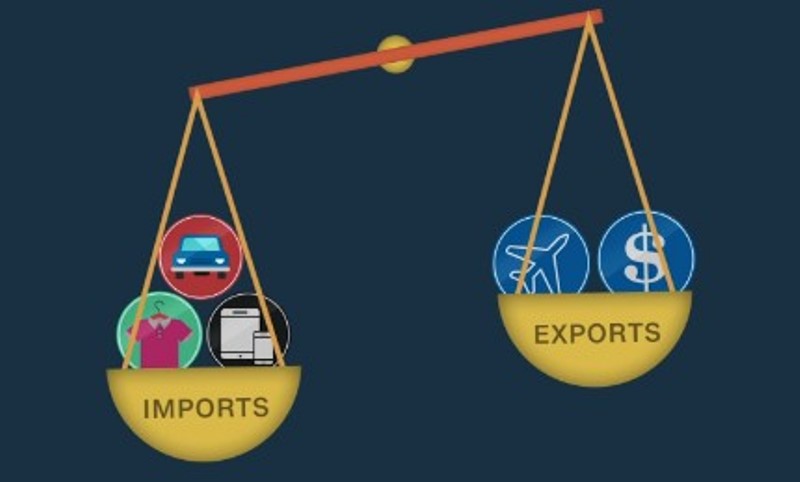
Trade organisations in Tripura have urged the central govt to address the growing trade deficit with Bangladesh, which has widened significantly since Muhammad Yunus assumed office in Aug last year.
They claimed that despite a drop in exports, large quantities of sugar, medicines, cosmetics , and other edible items are being smuggled into Bangladesh with the assistance of villagers near the border, inadequate border security, and unchecked infiltration — negatively impacting the economies of both nations.
Tripura’s industries and commerce minister, Santana Chakma, supported the trade bodies’ concerns. She highlighted that exports from Tripura to Bangladesh have declined sharply in recent months, while imports have remained steady.
“Tripura’s exports to Bangladesh stood at just Rs 50.07 crore up to Feb in the current fiscal year, compared to Rs 121.37 crore in 2022-23 and Rs 12.31 crore in 2023-24. Meanwhile, imports from Bangladesh reached Rs 625.14 crore this fiscal year (up to Feb), Rs 703.67 crore in 2023-24, and Rs 636.72 crore in 2022-23,” Chakma said.
Despite modern facilities at eight of the nine land customs stations (LCSs) along the India-Bangladesh border in Tripura, formal trade has not achieved expected levels. To curb informal trade, India established two Border Haats in South Tripura and Sepahijala districts a decade ago. However, one of these haats remains closed since the Covid-19 pandemic in 2020.
The Srinagar Border Haat in South Tripura reopened in Nov last year after being shut down due to political unrest in Bangladesh. However, the market has yet to regain its popularity, with half of the registered traders from both countries absent on weekly market days. Meanwhile, authorities in both nations have postponed the reopening of Kasba Border Haat in Sepahijala district due to low participation concerns.
According to reports, Bangladesh exports goods such as fish, cement, food items, construction materials, steel sheets, PVC pipes, soft drinks, ready-made garments, melamine, and cotton waste to Tripura and other northeastern states. In return, Indian states export commodities like broken stone, maize, incense sticks (agarbatti), fresh ginger , dry chilies, vegetable seeds, various spices, and wood apples to Bangladesh.