
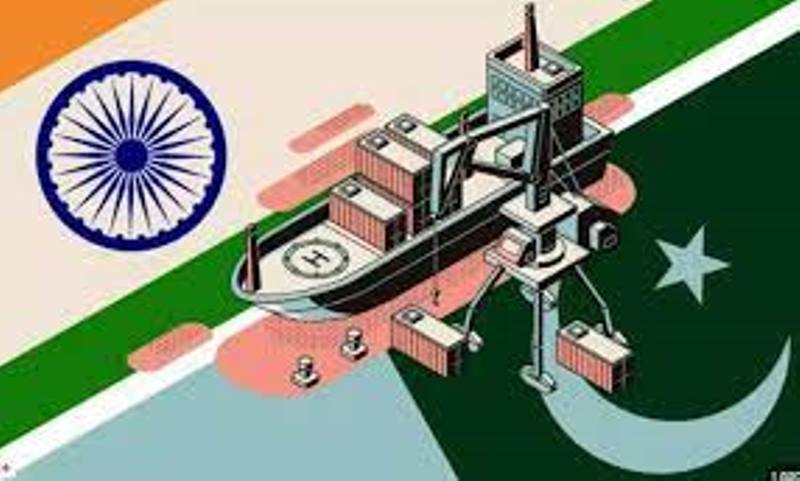
India’s ban on ships carrying Pakistani goods from anchoring at its ports has significantly raised freight costs and prolonged transit times, according to a report in the media.
The ban, which came into effect on May 2, following the April 22 Pahalgam terror attack, prohibits both direct and indirect import or transit of goods originating from or exported by Pakistan.
Pakistani importers say the move has led to substantial logistical challenges.
“Mother vessels are no longer docking at Pakistani ports due to the Indian ban, causing delays of 30 to 50 days in our shipments,” said Javed Bilwani, President of the Karachi Chamber of Commerce and Industry has been cited in the report.
As a result, traders have turned to feeder vessels, which are smaller and more expensive, further increasing import costs.
Exporters have also reported a rise in shipping and insurance premiums. However, some industry voices have downplayed the broader trade impact.
“Apart from increased insurance charges, exports remain largely unaffected. Shipping costs were already high before the recent escalation,” textile exporter Aamir Aziz has been quoted by the Pakistani newspaper.
Pakistan’s export sector, which depends heavily on imported raw materials for value addition, is feeling the pinch. With the government maintaining strict import controls to preserve foreign exchange reserves, any disruption in supply chains can have wider repercussions for the economy, the report noted.
India and Pakistan’s formal trade ties have been largely suspended since the Pulwama terror attack in 2019, when India imposed a 200% import duty on goods from Pakistan.
Bilateral trade has dropped sharply, from $2.41 billion in 2018 to $1.2 billion in 2024. Pakistan’s exports to India have plummeted from $547.5 million in 2019 to just $480,000 in 2024.