
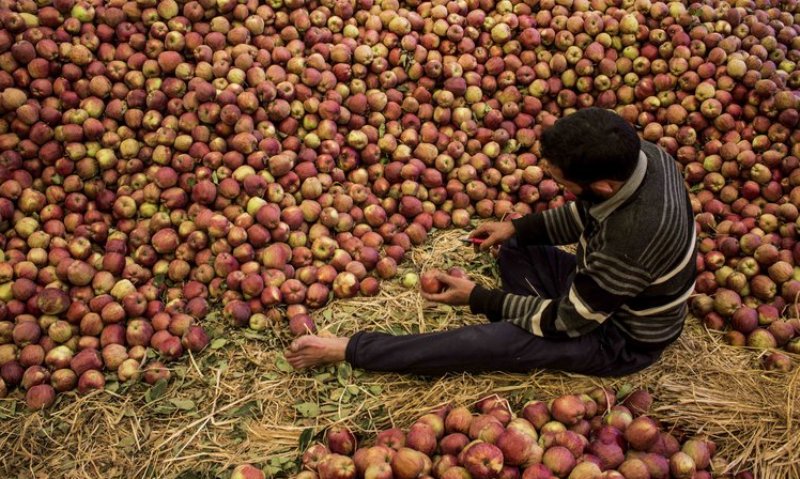
Apple growers across Jammu & Kashmir and Himachal Pradesh have raised serious concerns over the potential impact of the newly announced India‑US trade deal, warning that easier access for U.S. apple imports could destabilize the domestic horticulture sector and threaten the livelihoods of thousands of farming families.
Farmers Fear Price Pressure and Market Disruption
Grower associations and farmer groups have argued that the proposed trade framework—which lowers import duties and adjusts tariff rates on certain agricultural products including apples—could lead to increased pressure from imported fruit, especially from the United States. Many growers believe cheaper foreign apples could undercut local produce in Indian markets.
-
Harish Chauhan, convenor of the Sanyukt Kisan Manch (SKM) representing Himachal and J&K growers, warned that reduced tariffs could lead to revenue loss for the government and heavier competition for domestic apples, which already face challenges like rising input costs and climate pressures.
-
Local horticulture leaders say the Valley’s apple industry supports over seven lakh families, and any market disruption would directly affect livelihoods in the hill states.
Trade Deal Details and Government Assurances
Under the broader India‑US trade framework, import duties on apples from several countries—including the U.S., New Zealand, and the EU—have been reduced from previous levels, though government officials have emphasized safeguards like Minimum Import Prices (MIP) and quota limits aimed at protecting farmers.
Commerce and Industry Minister Piyush Goyal has stated that duty reductions are quota‑based, with protective measures like the MIP (set around ₹80 per kg) designed to prevent a flood of cheap imports that could harm domestic growers.
Opposition and Broader Agricultural Pushback
Beyond apple growers, farm unions and opposition parties have criticized the trade pact more broadly, vowing to mobilize against what they describe as an agreement that could favor U.S. agribusiness at the expense of Indian farmers. Protests and calls for joint action from rural stakeholders are being planned.
Mixed Reactions Among Stakeholders
While many growers express alarm over potential import competition, some traders and analysts argue that the real impact of imports from the U.S. may be limited due to higher transport and production costs, especially compared with produce from countries like Iran or Turkey. The degree to which foreign apples will affect local markets may depend on actual landing prices and enforcement of import safeguards.