
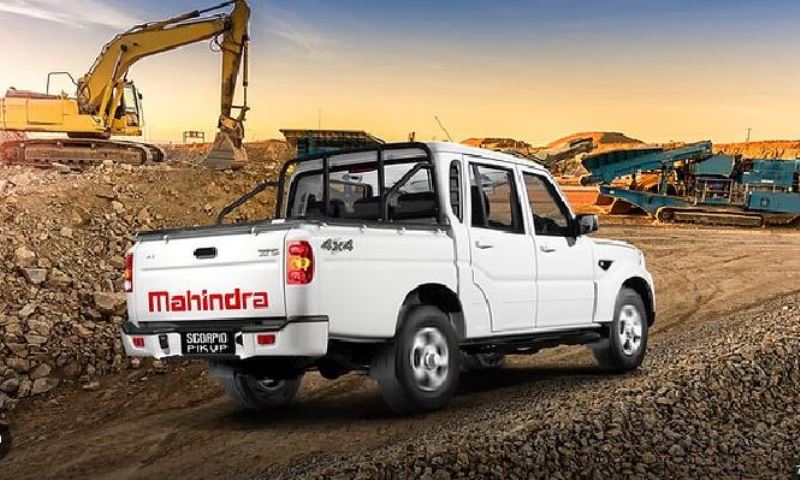
Indonesia’s plan to import 105,000 pickup trucks from India for use by state-linked cooperatives has triggered strong pushback from labour unions, industry groups and lawmakers, who warn the move could undermine domestic automotive manufacturing and cost local jobs.
Unions Warn of Layoffs and Reduced Local Output
The Confederation of Indonesian Trade Unions (KSPI) and the Labour Party have criticised the import plan, saying it could lead to a sharp decline in domestic production at local vehicle plants and potentially result in mass layoffs within the automotive sector. Workers have expressed fear that output reductions triggered by competition from Indian imports could shrink jobs or end contracts.
KSPI leaders have also condemned the use of Indonesian tax money — which partly funds the programme — to support foreign labour while domestic workers face job cuts, calling for transparency and oversight from anti-corruption authorities.
Industry and Lawmakers Join the Outcry
Indonesia’s Chamber of Commerce and Industry (Kadin) has urged President Prabowo Subianto to halt the imports, arguing that domestic manufacturers have sufficient capacity and that shipping fully built vehicles from India could contradict national industrial policy and weaken local value chains.
Lawmakers in the House of Representatives have also proposed postponing the policy until a full review can be completed, especially given Indonesia’s under-utilised manufacturing capacity and the potential for local production to yield greater economic benefits.
Government and Importer Response
The state-linked importer PT Agrinas Pangan Nusantara — which is facilitating the deal — maintains that some Indian vehicles have already arrived and insists the procurement process followed regulations. A company executive defended the decision, saying local supply could not meet the cooperatives’ needs at the required scale and price.
Government ministers have indicated the imports are permissible under existing trade rules, but broader debate continues over whether such large-scale vehicle imports should proceed given their potential impact on Indonesian manufacturers.
Broader Implications
Critics argue the plan, valued at roughly Rp 24.6 trillion (about US $1.5 billion), not only threatens jobs but could weaken Indonesia’s automotive ecosystem — from parts suppliers to assembly plants — just as the sector seeks recovery from slowing domestic demand and utilization challenges.