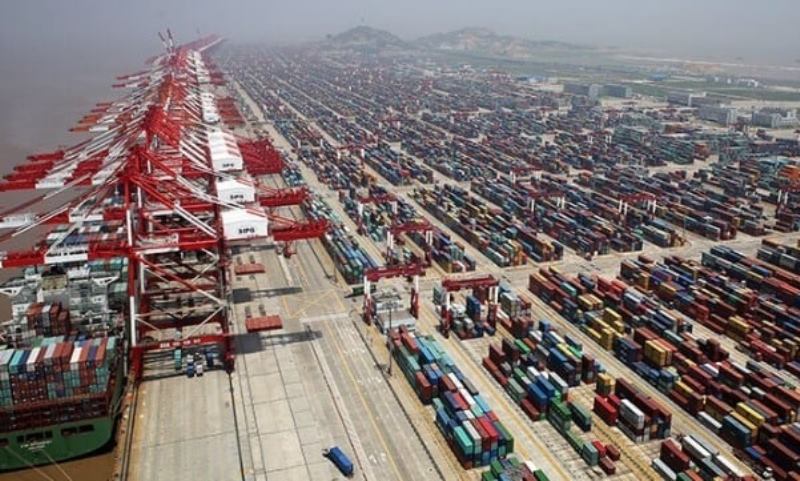
Global shipping carriers are increasingly repositioning empty containers to China as rising export demand from Asia and persistent supply imbalances create equipment shortages across parts of Europe, industry sources said.
The shift comes amid stronger manufacturing activity and export bookings from China, prompting shipping lines to prioritise container availability in major Asian export hubs. As a result, European exporters are facing tighter access to containers, particularly for outbound shipments from inland and secondary ports.
Logistics providers said the imbalance has been aggravated by vessel schedule disruptions, port congestion, and longer container turnaround times linked to ongoing geopolitical tensions and rerouting of ships around the Cape of Good Hope.
Exporters in Europe have reported delays in securing equipment and higher freight-related costs as carriers accelerate the repositioning of empty boxes to Asia to meet peak-season demand. Some shippers are also facing longer booking windows and reduced flexibility for cargo movement.
Industry analysts noted that container repositioning is a common strategy during periods of uneven trade flows, but the current supply squeeze in Europe has intensified due to volatile shipping conditions and changing global trade patterns.
Shipping lines are expected to continue reallocating equipment toward Asia in the near term as Chinese exports remain strong and carriers seek to optimise fleet and container utilisation across global trade lanes.
