
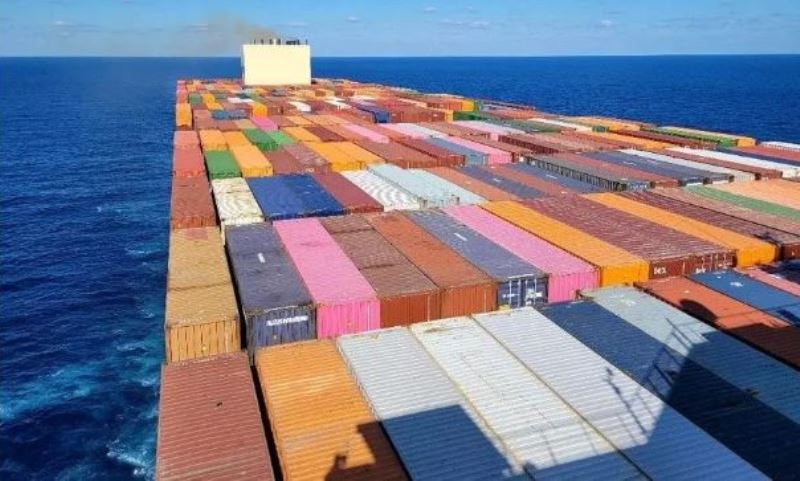
South Korea is preparing a new initiative aimed at encouraging greater use of Arctic shipping routes for container transport as the country looks to strengthen long-term logistics competitiveness and diversify global trade corridors.
Government and maritime industry officials are reviewing measures to support container shipping through Arctic passages, which can significantly reduce transit times between Asia and Europe compared with traditional routes via the Suez Canal. The initiative is expected to include research support, infrastructure cooperation, shipping incentives and enhanced collaboration with Arctic nations.
South Korean shipping companies and logistics operators are increasingly exploring alternative trade routes amid ongoing geopolitical tensions, climate-related disruptions and congestion risks affecting conventional maritime corridors. The Arctic route has gained attention in recent years due to seasonal accessibility improvements linked to melting sea ice and advances in ice-class vessel technology.
Industry analysts note that while Arctic shipping offers potential fuel savings and shorter voyage durations, challenges remain regarding harsh weather conditions, limited emergency infrastructure, environmental concerns and regulatory uncertainties. Commercial viability also depends heavily on seasonal navigation windows and insurance costs.
South Korea’s renewed interest in Arctic logistics aligns with broader efforts by Asian shipping economies to secure resilient supply chains and reduce dependence on heavily congested global chokepoints. Shipping stakeholders expect further feasibility studies and pilot operations before large-scale commercial deployment of Arctic container services.