
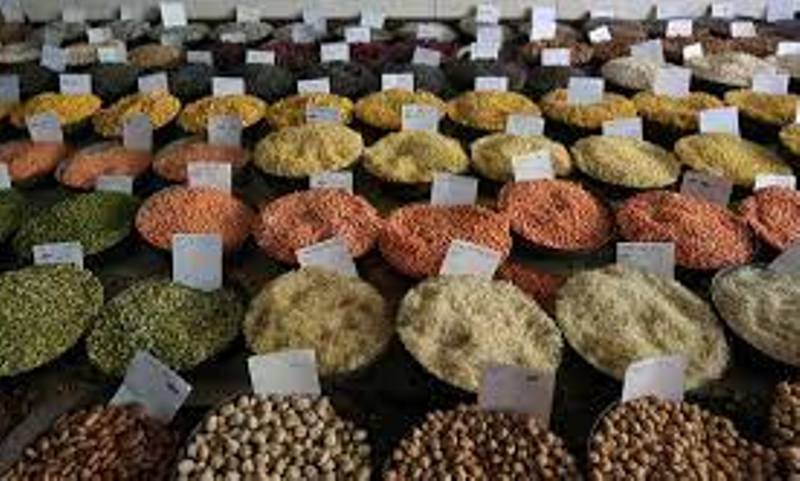
India recorded a significant decline in pulse imports during FY26, with inbound shipments falling by 34% compared with the previous fiscal year, driven by improved domestic production and higher local availability.
Industry sources said increased output of key pulses such as tur, urad and chana, supported by favourable weather conditions and higher acreage, helped reduce dependence on overseas supplies. The decline in imports also reflects government efforts to boost self-sufficiency in pulse production through policy support and procurement initiatives.
Lower import volumes were reported across major supplying countries as domestic market arrivals improved and inventories stabilised. Traders noted that softer international buying by India, one of the world’s largest pulse consumers, has also influenced global pulse trade dynamics and prices.
The reduction in imports is expected to support farmer incomes by maintaining stronger domestic demand for locally produced pulses. However, market participants cautioned that weather-related risks and fluctuations in crop yields could still affect supply conditions in the coming seasons.
India has been focusing on strengthening food security and reducing reliance on imported agricultural commodities through increased investment in productivity, storage infrastructure and supply chain efficiency.