
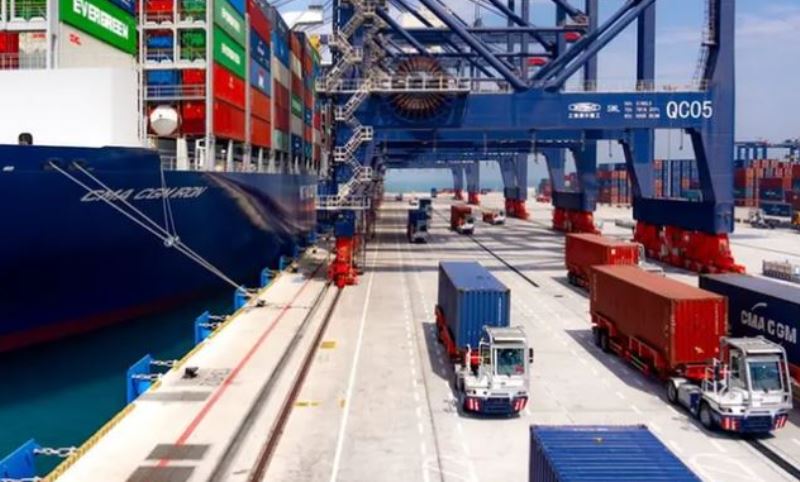
Authorities and shipping stakeholders have announced a series of measures aimed at reducing delays and easing bottlenecks affecting container cargo movements to Gulf destinations amid ongoing supply chain disruptions and operational pressures.
The initiatives include improved coordination between ports, shipping lines, container freight stations and logistics providers to accelerate cargo evacuation and vessel turnaround times. Industry sources said additional efforts are being made to optimise container availability, streamline documentation processes and prioritise critical export shipments.
The measures come as congestion, schedule disruptions and security concerns across key Gulf trade routes continue to impact cargo flows and freight planning. Exporters have reported delays in container positioning and shipment clearances, particularly for time-sensitive cargo destined for West Asian markets.
Officials noted that enhanced monitoring systems and closer collaboration with customs and terminal operators are expected to help improve operational efficiency and minimise shipment backlogs. Shipping lines are also reviewing vessel deployment plans and contingency arrangements to maintain service continuity on Gulf routes.
The Gulf region remains one of India’s most important trade corridors, handling significant volumes of petroleum products, engineering goods, food items, chemicals and containerised exports. Industry experts said timely intervention is critical to maintaining supply chain stability and preventing further escalation in logistics costs.