
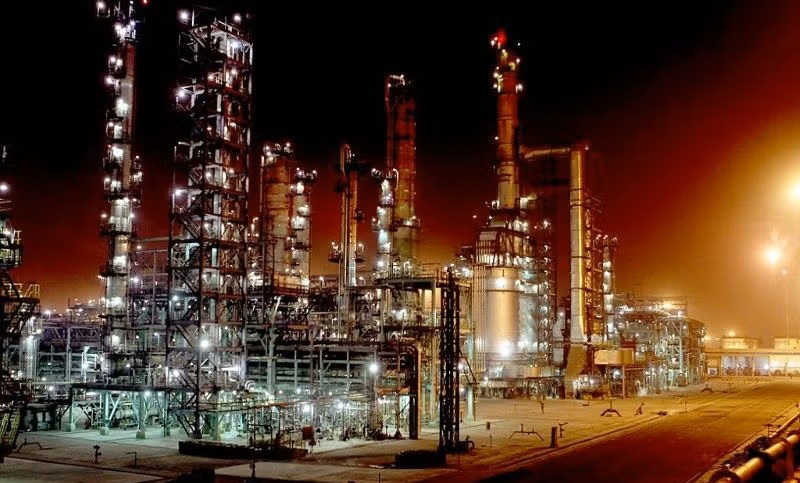
India’s fuel exports have declined to their lowest level since 2022 as refinery maintenance activities and strong domestic demand reduced the availability of refined petroleum products for overseas markets.
Several refineries across the country undertook scheduled maintenance and turnaround operations during the period, temporarily lowering processing capacity and limiting export volumes of key fuels such as diesel, gasoline, jet fuel, and other petroleum products. The maintenance programs were aimed at ensuring operational reliability, efficiency improvements, and compliance with safety and environmental standards.
At the same time, robust domestic consumption absorbed a larger share of refinery output. Demand for transportation fuels remained strong, supported by economic activity, industrial production, infrastructure development, and increased mobility across the country. As a result, refiners prioritized supplies for the domestic market, leading to reduced export availability.
India is among the world’s leading exporters of refined petroleum products, supplying fuels to markets across Asia, Africa, Europe, and the Middle East. However, export volumes can fluctuate depending on refinery operating rates, domestic consumption patterns, global fuel demand, and market economics.
Industry analysts noted that lower exports during maintenance periods are a normal feature of refining operations, particularly when multiple facilities undertake planned shutdowns simultaneously. They added that export volumes are expected to recover once refinery units resume full operations and processing capacity returns to normal levels.
Global fuel markets have also been influenced by geopolitical developments, changing trade flows, and fluctuations in crude oil prices, creating additional uncertainty for exporters. Nevertheless, India’s refining sector continues to play a critical role in regional and global energy supply chains due to its large-scale processing capacity and strategic location.
Market participants expect fuel exports to gradually improve in the coming months as maintenance schedules conclude and refiners increase output. However, domestic demand trends and international market conditions will continue to influence the pace of recovery in export shipments.
The latest decline underscores the balancing act faced by Indian refiners as they seek to meet growing domestic energy requirements while maintaining their position as key suppliers of refined petroleum products to global markets.