
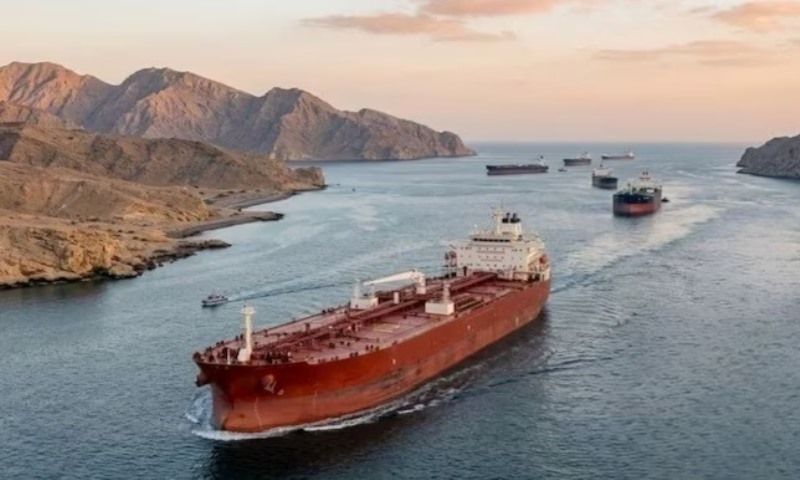
American military surveillance has recorded nearly 1,000 commercial vessel transits through the strategically vital Strait of Hormuz since a ceasefire between the United States and Iran took effect on April 8, according to a US official familiar with operations under United States Central Command (CENTCOM).
The figure, derived from continuous air, sea and satellite monitoring, exceeds private-sector estimates based primarily on ship transponder data. While commercial tracking services have counted just over 650 vessel movements through the waterway during the same period, US officials believe a growing number of ships are conducting “dark transits” with transponders switched off to reduce their visibility amid security concerns.
The Strait of Hormuz, a critical gateway for global oil and gas exports from the Persian Gulf, witnessed a dramatic collapse in traffic following US and Israeli strikes on Iran in late February and Tehran’s subsequent threats to target commercial shipping. Before the conflict, more than 100 vessels passed through the strait daily.
Although traffic remains well below pre-war levels, the latest US assessment indicates a gradual recovery in commercial movements. The majority of recorded transits involve large container ships and bulk cargo vessels, with smaller regional craft excluded from the count.
The reopening effort comes as Washington seeks to restore confidence among shipowners and energy traders following months of disruption that sent global energy prices sharply higher and intensified inflationary pressures worldwide.
US forces have reportedly established and protected a sea-mine-free corridor closer to the Omani coast, helping merchant vessels avoid areas considered vulnerable to Iranian interference. Naval and air assets are providing surveillance and security support, while military operations centres in the region and at CENTCOM headquarters in Tampa, Florida, are maintaining direct communication with commercial shipping operators.
The United States has deployed a range of intelligence and reconnaissance platforms to monitor maritime activity, including Boeing P-8 patrol aircraft, F-35 fighter jets, MQ-9 Reaper drones and satellite systems.
Despite the gradual recovery, security risks remain elevated. Earlier this week, Iran launched drone and missile attacks targeting Kuwait’s international airport and US military facilities in Bahrain. According to US Secretary of State Marco Rubio, the attacks were linked to Washington’s efforts to facilitate commercial shipping through the Strait of Hormuz.
The future status of the waterway remains a central issue in ongoing US-Iran negotiations, with Tehran reportedly seeking greater control over access to the strait while Washington insists that international shipping routes remain open and unrestricted.