
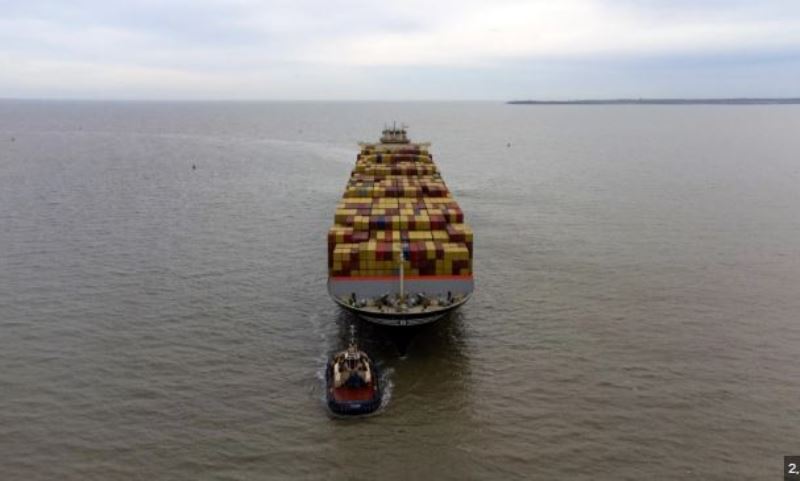
A major change is underway in the Far East–India container shipping market as participating carriers have decided to discontinue their joint service arrangement, prompting a restructuring of network operations across one of Asia’s key trade corridors.
The move marks a significant shift in the partnership model that had enabled the carriers to jointly deploy vessels, share capacity and offer wider port coverage between major Far East manufacturing hubs and Indian gateways. With the collaboration ending, each carrier is expected to pursue independent service strategies aimed at strengthening market presence and improving operational flexibility.
Industry sources indicate that the decision reflects evolving commercial priorities, changing cargo demand patterns and a broader trend among container lines to optimize network efficiency. By operating separate services, carriers will gain greater control over sailing schedules, capacity deployment and customer offerings while responding more quickly to market conditions.
The restructuring is expected to affect several major ports across India and East Asia, with revised port rotations, vessel allocations and transit times likely to be announced in the coming weeks. Shippers and freight forwarders are closely monitoring developments to assess the impact on service reliability, cargo connectivity and freight costs.
Analysts note that the Far East–India trade lane remains one of the fastest-growing container markets, supported by expanding manufacturing activity, rising consumer demand and increasing bilateral trade. As carriers realign their operations, competition is expected to intensify, potentially leading to enhanced service options and improved network coverage for customers.
Indian ports handling significant Far East cargo volumes are expected to continue benefiting from robust trade growth despite the service split. The reconfiguration may also create opportunities for additional carriers to expand their presence on the route and capture market share.
Market participants believe the separation will ultimately reshape competitive dynamics in the corridor, with carriers focusing on differentiated service products, schedule integrity and strategic port partnerships. While the transition may require adjustments from shippers in the short term, the long-term outlook for the Far East–India trade remains positive as cargo volumes continue to grow.
The development highlights the ongoing transformation of global liner shipping networks, where carriers are increasingly refining partnership structures to align with changing market requirements and evolving supply chain demands.