
India’s fertilizer supply chain has remained largely unaffected despite the recent conflict in West Asia, with the government ensuring uninterrupted imports and domestic production through proactive planning, diversified sourcing and continuous monitoring.
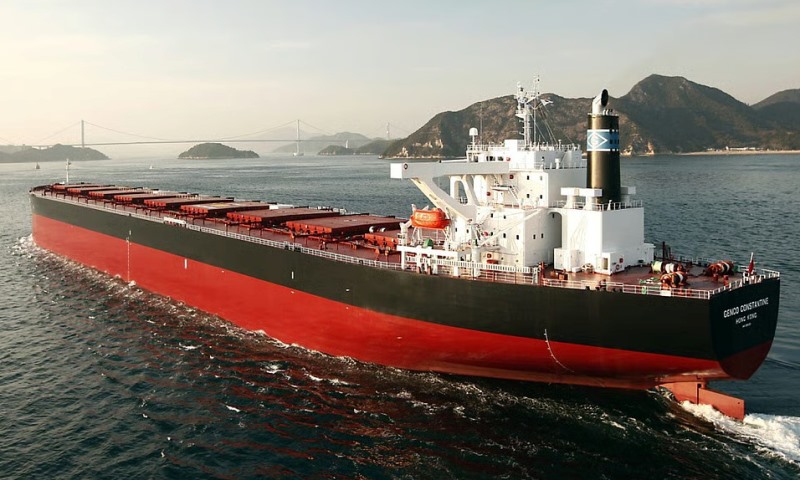
According to the Ministry of Chemicals and Fertilizers, 15 out of 20 vessels carrying fertilizers and raw materials have safely crossed the Strait of Hormuz and are proceeding to Indian ports as scheduled.
The shipments include:
- Eight vessels carrying 3.32 lakh tonnes of urea
- Four vessels transporting 2.57 lakh tonnes of Di-Ammonium Phosphate (DAP)
- Three vessels carrying 1.11 lakh tonnes of sulphur
Additionally, five more vessels are expected to arrive, including one carrying 0.25 lakh tonnes of ammonia and another with 0.45 lakh tonnes of urea, while loading operations are underway for two more urea vessels and one sulphur vessel.
The ministry said that although the conflict temporarily disrupted maritime traffic through the Strait of Hormuz, timely planning, effective coordination and diplomatic outreach enabled India to maintain steady fertilizer supplies.
To mitigate supply risks, India diversified its sourcing of fertilizers and raw materials. Urea imports have been secured from Oman, Malaysia, Vietnam, Georgia, Nigeria, Russia, Finland, Egypt, Algeria, Türkiye and the Netherlands, while DAP and NPK consignments have been arranged through the Red Sea route from Russia, Morocco, Egypt, the United States, Jordan, South Korea, Tunisia and Saudi Arabia.
Union Minister for Chemicals and Fertilizers J.P. Nadda said the West Asia conflict had disrupted global supply chains, increased fertilizer prices and extended shipping transit times worldwide. However, he said the government successfully protected the interests of Indian farmers by ensuring uninterrupted fertilizer availability despite the global challenges.
The minister also noted that natural gas supply to fertilizer manufacturing plants, which had dropped to nearly 65% during the disruption, has now been fully restored to 100%, allowing all domestic urea plants to operate at full capacity.
India’s domestic fertilizer production also exceeded targets during the first quarter of FY2026-27 (April-June). Urea production reached 71.55 lakh tonnes, surpassing the target of 67.86 lakh tonnes by 3.69 lakh tonnes. DAP production stood at 9.84 lakh tonnes against a target of 8.61 lakh tonnes, while NPK production reached 20.77 lakh tonnes and Single Super Phosphate (SSP) output totalled 13.50 lakh tonnes.
Against the country’s annual fertilizer requirement of 383.9 lakh tonnes, India has already secured 197.56 lakh tonnes, covering more than 51% of the projected demand.
As of July 2, fertilizer stocks included 69.08 lakh tonnes of urea, 16.64 lakh tonnes of DAP, 8.90 lakh tonnes of Muriate of Potash (MOP), 45.64 lakh tonnes of NPK, and 23.09 lakh tonnes of SSP, taking the total available inventory to 163.35 lakh tonnes.
The ministry said that a combination of diversified imports, higher domestic production and adequate buffer stocks has ensured sufficient fertilizer availability across the country, reaffirming the government’s commitment to safeguarding farmers through timely and reliable supplies.