
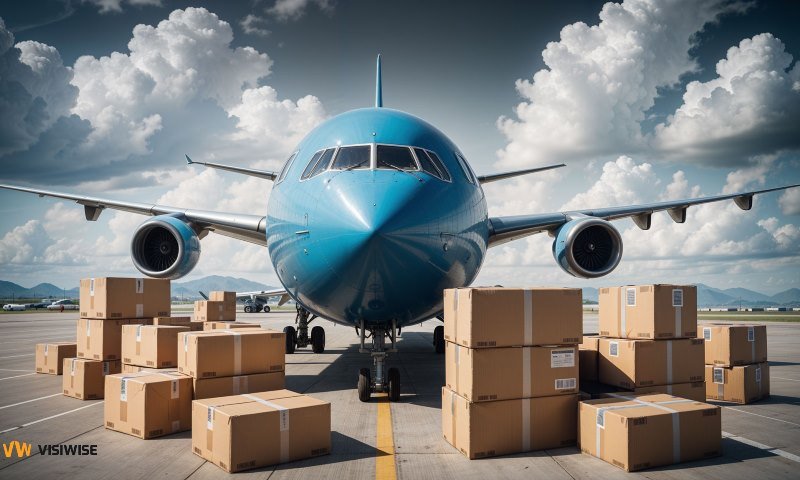
Escalating conflict in the Middle East is disrupting key air cargo routes used by pharmaceutical companies, raising concerns about potential delays in the global supply of critical cancer medicines.
Airlines and cargo operators have been forced to reroute flights or suspend services through certain airspaces due to security risks linked to the ongoing tensions involving Iran and neighbouring countries. These disruptions are affecting time-sensitive shipments, particularly temperature-controlled pharmaceutical products that rely heavily on air freight.
The pharmaceutical industry depends on fast and reliable air cargo networks to transport high-value medicines, including life-saving oncology drugs, between production centres and hospitals around the world. Any delays or diversions can increase transit times and complicate the strict temperature management required for many cancer treatments.
Logistics providers say alternative flight paths are being used to avoid conflict zones, but these reroutes often increase travel time and fuel costs. Airports and cargo hubs in other regions are also experiencing pressure as shipments are redirected through safer routes.
Industry experts warn that prolonged disruptions could strain pharmaceutical supply chains if capacity constraints and rising logistics costs continue. Governments and healthcare providers are closely monitoring the situation to ensure that hospitals and patients maintain uninterrupted access to essential cancer medications.
Air cargo companies are working with pharmaceutical manufacturers to prioritise critical medical shipments and maintain cold-chain integrity while navigating the evolving geopolitical risks affecting aviation routes in the region.